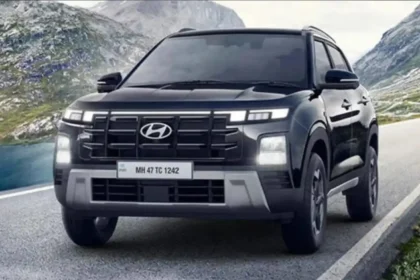
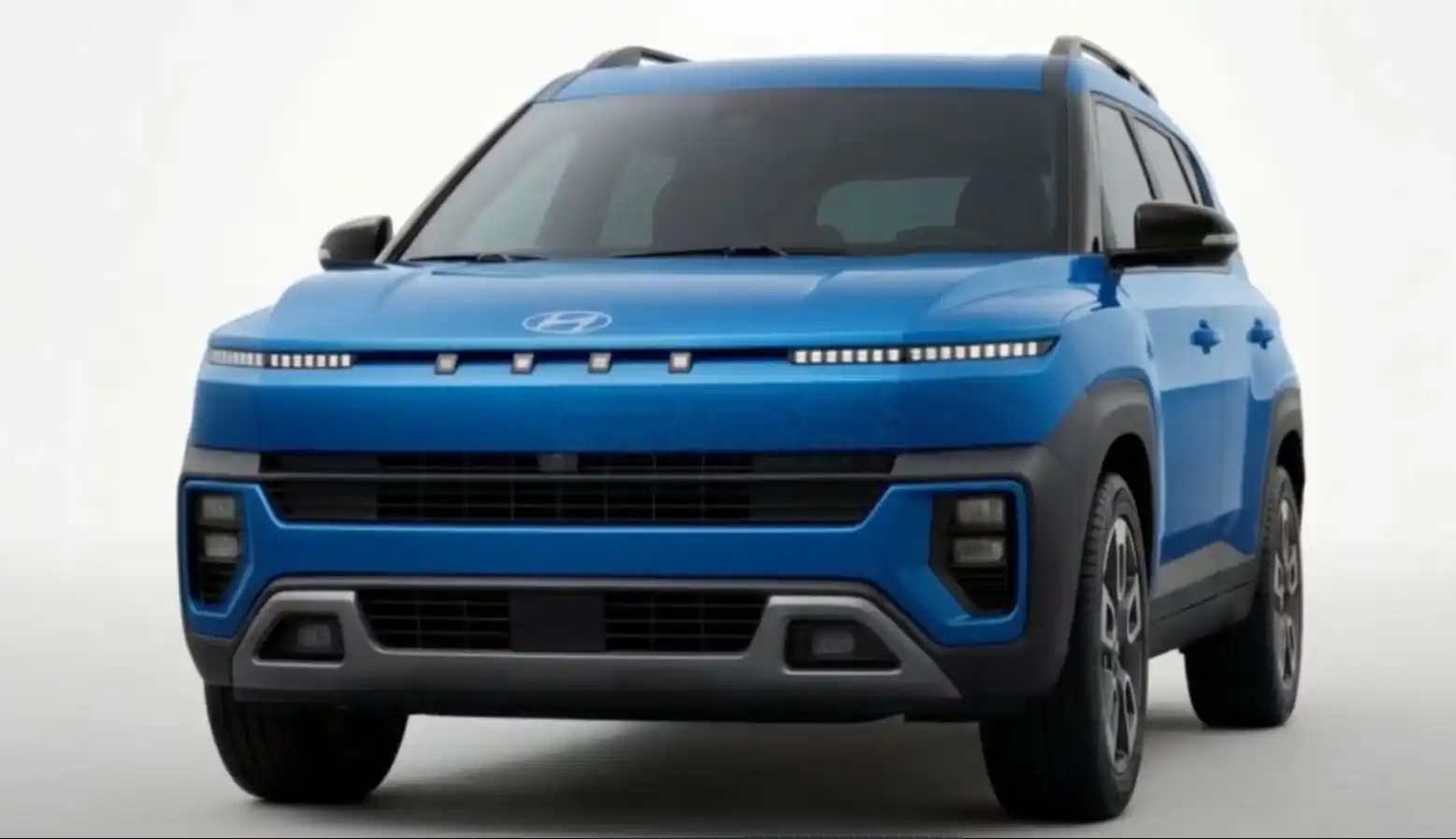

The Hyundai Creta has remained one of India’s most successful SUVs for years, consistently ranking among the country’s top-selling passenger vehicles. Its combination of premium features, strong brand value, multiple powertrain options and widespread appeal has helped it dominate the highly competitive midsize SUV segment.
However, competition is becoming more intense than ever. Rivals such as the Maruti Suzuki Grand Vitara, Toyota Urban Cruiser Hyryder, Kia Seltos, Honda Elevate, Renault Duster and emerging electric SUVs are continuously raising the bar.
Recent spy shots of the next-generation Hyundai Creta suggest that development is already underway. While the camouflage hides most design details, a new infotainment setup has been spotted, indicating significant cabin upgrades.
For Hyundai, the challenge is not simply updating the Creta—it is ensuring the SUV remains the benchmark for years to come.
1. A Smarter and More Advanced Infotainment System
Technology has become one of the biggest deciding factors for SUV buyers.
The current Hyundai Creta already offers a feature-rich infotainment package, but customer expectations have evolved rapidly. Buyers now expect faster software, AI-powered features, seamless connectivity and a more intuitive user experience.
The next-generation Creta should introduce:
- Larger high-resolution touchscreen display
- Faster operating system
- Enhanced voice assistant functionality
- Wireless Android Auto and Apple CarPlay
- Expanded connected-car technology
- Over-the-air software updates
- Improved navigation integration
- Multi-device connectivity
A next-generation infotainment ecosystem could help Hyundai maintain its leadership in technology-driven features.
2. Better Rear Seat Comfort for Family Buyers
The Creta has traditionally been a family-focused SUV, offering generous cabin space and good practicality.
However, rear-seat comfort can still be improved.
As Indian consumers increasingly prioritize passenger comfort, Hyundai could introduce several upgrades including:
- Rear-seat ventilation
- Improved under-thigh support
- Enhanced cushioning
- Reclining rear seats
- Additional USB-C charging ports
- Better rear armrest design
- Premium seat materials
Competitors are already introducing rear-seat luxury features in this segment. Hyundai has an opportunity to elevate the Creta’s premium appeal even further.
3. Next-Level ADAS and Safety Features
Safety has become a major purchase consideration among Indian car buyers.
The current Hyundai Creta offers Level 2 Advanced Driver Assistance Systems (ADAS), but future models are expected to feature more sophisticated technology.
The next-generation Creta could benefit from:
Enhanced ADAS Features
- Adaptive Cruise Control
- Lane Centering Assist
- Autonomous Emergency Braking
- Blind Spot Monitoring
- Rear Cross Traffic Alert
- Driver Attention Monitoring
- Traffic Sign Recognition
Additional Safety Improvements
- Six airbags as standard
- Stronger body structure
- Improved crash protection
- Enhanced Electronic Stability Control
- Advanced collision mitigation systems
With stricter safety regulations and increasing consumer awareness, Hyundai will need to maintain strong safety credentials to stay competitive.
4. Hybrid Technology Could Be a Game-Changer
One of the biggest gaps in the current Creta lineup is the absence of a hybrid powertrain.
The market is steadily shifting toward electrified vehicles, and several competitors have already capitalized on this trend.
Current Hybrid Rivals
- Maruti Suzuki Grand Vitara
- Toyota Urban Cruiser Hyryder
- Renault Duster Hybrid (expected)
- Other future electrified SUVs
While Hyundai already offers the Creta Electric for EV buyers, a strong hybrid version would appeal to customers seeking:
- Better fuel efficiency
- Lower running costs
- Reduced emissions
- No charging dependency
Introducing hybrid technology could future-proof the Creta and strengthen its position in a rapidly evolving market.
5. The Creta N Line Needs Real Performance Enhancements
The Hyundai Creta N Line currently offers sportier styling and cosmetic upgrades.
However, enthusiasts often expect more than visual changes.
The next-generation N Line could benefit from:
- Sharper steering response
- Retuned suspension setup
- Improved body control
- Enhanced braking performance
- Sportier exhaust tuning
- Performance-focused drive modes
A more engaging driving experience would help establish the N Line as a genuine enthusiast-oriented variant rather than simply a styling package.
What We Expect from the Next-Generation Hyundai Creta
Hyundai does not need to reinvent the Creta. The SUV already has a strong reputation, loyal customer base and impressive sales record.
What Hyundai needs is meaningful evolution.
A combination of:
- Advanced infotainment technology
- Hybrid powertrain options
- Better rear-seat comfort
- Enhanced ADAS features
- Improved safety standards
- A more engaging N Line variant
could help the next-generation Creta maintain its leadership in India’s midsize SUV market.
With competition becoming stronger every year, Hyundai’s next move could determine whether the Creta continues to dominate the segment or faces increasing pressure from rivals.