
India’s premium SUV segment is preparing for a major shift as plug-in hybrid electric vehicles (PHEVs) enter mainstream consideration. Unlike traditional hybrids, PHEVs combine EV-first driving capability with a petrol engine backup, enabling a claimed combined driving range exceeding 1,000 km in ideal conditions.
By 2026, three key models from BYD, MG (Wuling-derived product strategy), and Jetour are expected to redefine the hybrid SUV space in India.
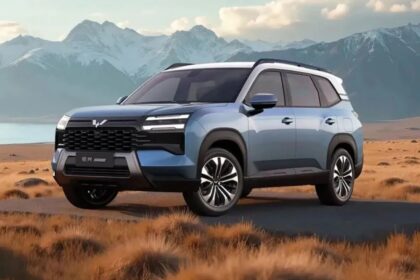
1. Jetour T2 i-DM (Expected via JSW Motors Partnership)
Jetour’s T2 i-DM is likely to be among the early products introduced under JSW Motors’ new automotive lineup strategy in India. Positioned as a rugged lifestyle SUV, it is expected to arrive around the festive season window.
Powertrain Overview
- 1.5-litre petrol engine (inline-4)
- Dual-motor electric setup
- 26.7 kWh battery pack (expected)
- Petrol output: ~154 bhp / 220 Nm
- Electric motor output: ~221 bhp / 390 Nm
- Dedicated Hybrid Transmission (3-speed DHT)
The system is engineered for EV-first city driving with hybrid support for long-distance travel and off-road capability positioning.
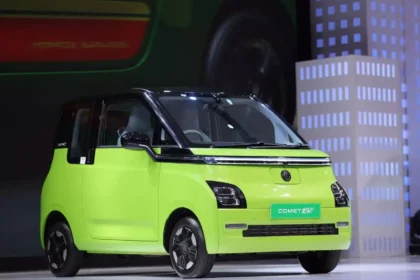
2. MG Starlight 560 PHEV (Wuling-based architecture)
The MG-branded Starlight 560 is expected to enter India under the NEV (New Energy Vehicle) strategy, offering both full EV and plug-in hybrid variants.
This SUV has already been observed in test conditions internationally and is expected to be positioned as a value-focused hybrid SUV in India’s mid-premium segment.
Powertrain Overview
- 1.5-litre naturally aspirated petrol engine
- 20.5 kWh Shenlian LFP battery pack
- Combined output: ~194 bhp / 230 Nm
In China, the model is priced aggressively (starting under the equivalent of ₹15 lakh), suggesting MG may aim for competitive pricing in India as well, depending on localization levels.
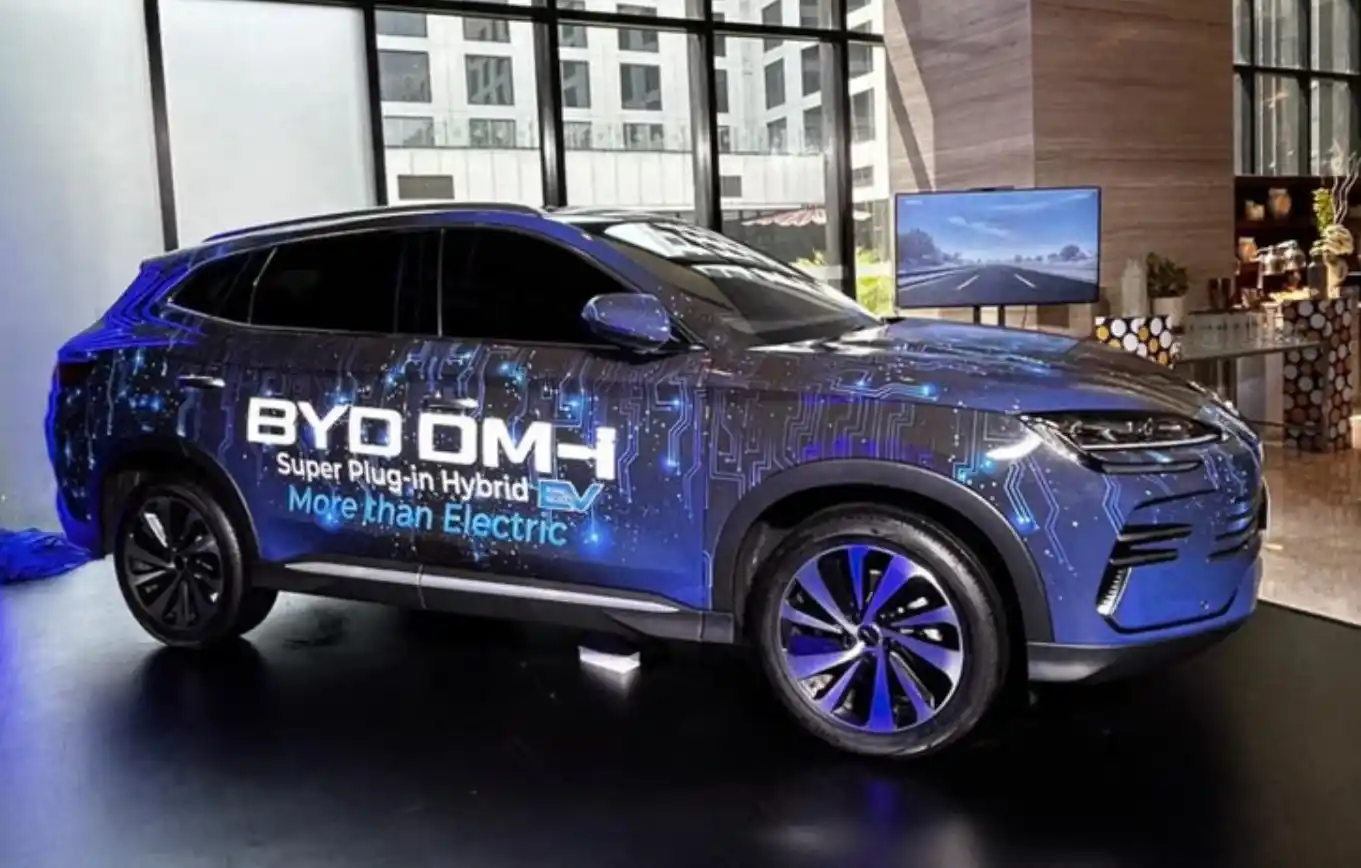
3. BYD Seal U DM-i (India Debut Confirmed for 2026)
BYD has officially confirmed the Seal U DM-i for the Indian market by late 2026. It will be based on the brand’s DM-i (Dual Mode Intelligent) hybrid architecture, already widely used across global BYD plug-in hybrid models.
Powertrain Philosophy
- EV-first driving system
- Traction motor primarily drives wheels
- Dedicated generator motor for battery charging
- Petrol engine acts as range extender in specific conditions
This configuration ensures most city and short-distance driving can remain electric, while long-distance travel benefits from hybrid range extension.
Technology Trend: Why PHEVs Matter in India Now
Plug-in hybrids are emerging as a transitional technology between internal combustion engines and full EV adoption. Their key advantages include:
- Electric-only driving for daily commutes
- Reduced fuel consumption vs traditional hybrids
- High total range (often 900–1,200 km combined)
- Lower dependency on charging infrastructure
- Suitable for intercity Indian driving patterns
With charging infrastructure still developing unevenly across India, PHEVs offer a practical bridge solution for premium SUV buyers.
Expected Market Impact
If priced competitively, these SUVs could accelerate hybrid adoption in India’s ₹20–40 lakh SUV segment. BYD is expected to lead on technology, MG on affordability, and Jetour on design and rugged appeal.