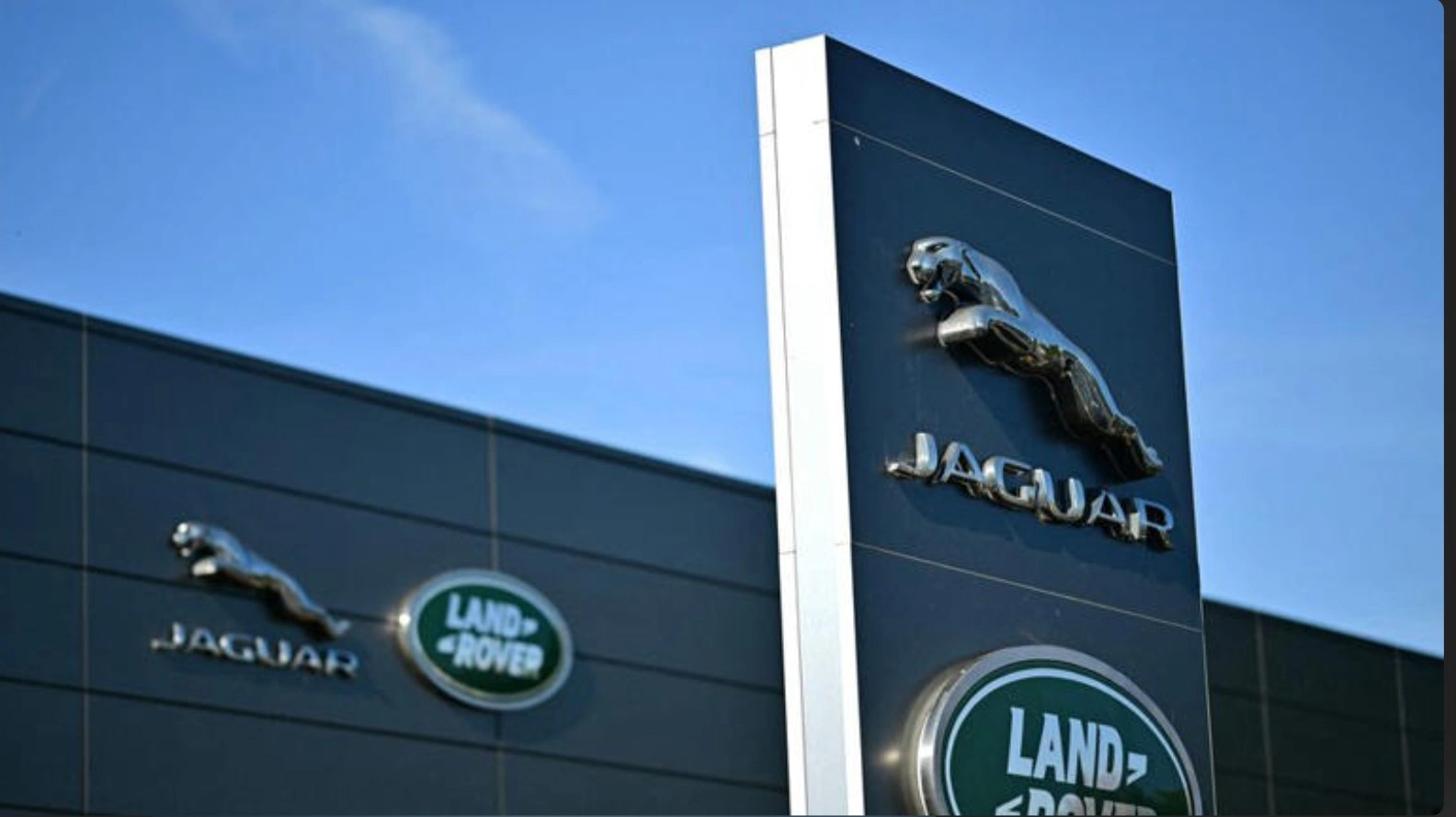

Shares of Tata Motors Passenger Vehicles (TMPV) witnessed significant selling pressure on Wednesday after Jaguar Land Rover (JLR) presented its FY27 strategic roadmap during its investor day event. Investors reacted cautiously to the luxury automaker’s medium-term growth targets, resulting in a sharp decline in the stock.
During intraday trading, Tata Motors PV shares dropped as much as 10%, touching a low of ₹355 on the BSE. The stock later recovered some losses but remained under pressure throughout the session.
The market response highlights concerns about JLR’s ability to execute its turnaround strategy while managing profitability challenges, elevated investments, and a complex global operating environment.
JLR Projects Revenue Growth and Margin Improvement
Jaguar Land Rover outlined an ambitious recovery plan for FY27 following a difficult FY26.
According to the company’s guidance:
- Revenue is expected to rise to approximately £26 billion in FY27 from around £23 billion in FY26.
- EBIT margins are projected to improve to around 4%, compared with just above breakeven levels in the previous fiscal year.
- The company aims to achieve approximately £1.7 billion in cost savings over the next two years.
- Break-even production volumes are targeted at roughly 300,000 vehicles annually.
- Operating cash flow is expected to improve significantly after remaining under pressure in FY26.
JLR also reiterated its commitment to its “House of Brands” strategy, focusing on strengthening the Range Rover, Defender, Discovery, and Jaguar brands while expanding its presence in premium automotive segments globally.
Why Investors Are Concerned
Despite the optimistic outlook, investors appear focused on the challenges associated with delivering the proposed turnaround.
Market participants note that JLR’s FY26 performance reflected:
- Revenue of approximately £22.9 billion
- EBIT margin of just 0.7%
- Negative free cash flow exceeding £2 billion
These figures suggest that profitability remains fragile, and any delays in execution could impact the recovery timeline.
Industry analysts point out that JLR continues to face several headwinds, including:
1. High Investment Commitments
The company remains committed to substantial investments in product development, electrification, and technology upgrades. These expenditures are necessary for long-term competitiveness but may continue to pressure near-term cash generation.
2. Global Economic Uncertainty
Premium vehicle demand remains vulnerable to slowing economic growth in key markets, particularly in China and parts of Europe.
3. Electric Vehicle Transition
Like many global automakers, JLR is investing heavily in its electric vehicle transformation. The success of upcoming EV launches will play a major role in determining future profitability.
4. Cost-Control Execution
The planned £1.7 billion cost-saving initiative is viewed as critical. Investors are closely monitoring management’s ability to deliver these savings without affecting product quality or brand positioning.
Analyst View: Execution Will Be the Key
Market experts believe that JLR’s turnaround strategy is achievable, but successful execution remains essential.
The company’s targets indicate confidence in improving operational efficiency, reducing costs, and strengthening brand performance. However, investors appear to be waiting for tangible evidence of margin expansion and sustainable cash flow generation before assigning higher valuations.
Several brokerage firms have also highlighted risks associated with launch costs, competitive pressures, global trade uncertainties, and ongoing investments in future technologies.
Focus on North America and Premium Segments
A major part of JLR’s medium-term strategy involves increasing its presence in North America, one of the world’s most profitable premium vehicle markets.
The company plans to leverage its premium SUV portfolio and luxury offerings to capture higher-value customers while improving overall revenue quality.
Management believes this approach can support long-term double-digit revenue growth while reducing reliance on individual regions.
Outlook for Tata Motors PV
The sharp market reaction reflects investor caution rather than a rejection of JLR’s long-term vision. While the growth roadmap offers a pathway toward improved profitability, stakeholders will closely watch upcoming quarterly results for signs of progress.
Key indicators likely to influence future stock performance include:
- Revenue growth trends
- Margin expansion
- Free cash flow improvement
- EV launch success
- Cost-saving execution
- Performance in North American and global luxury vehicle markets
For now, investors remain focused on whether JLR can successfully translate its ambitious plans into measurable financial results.