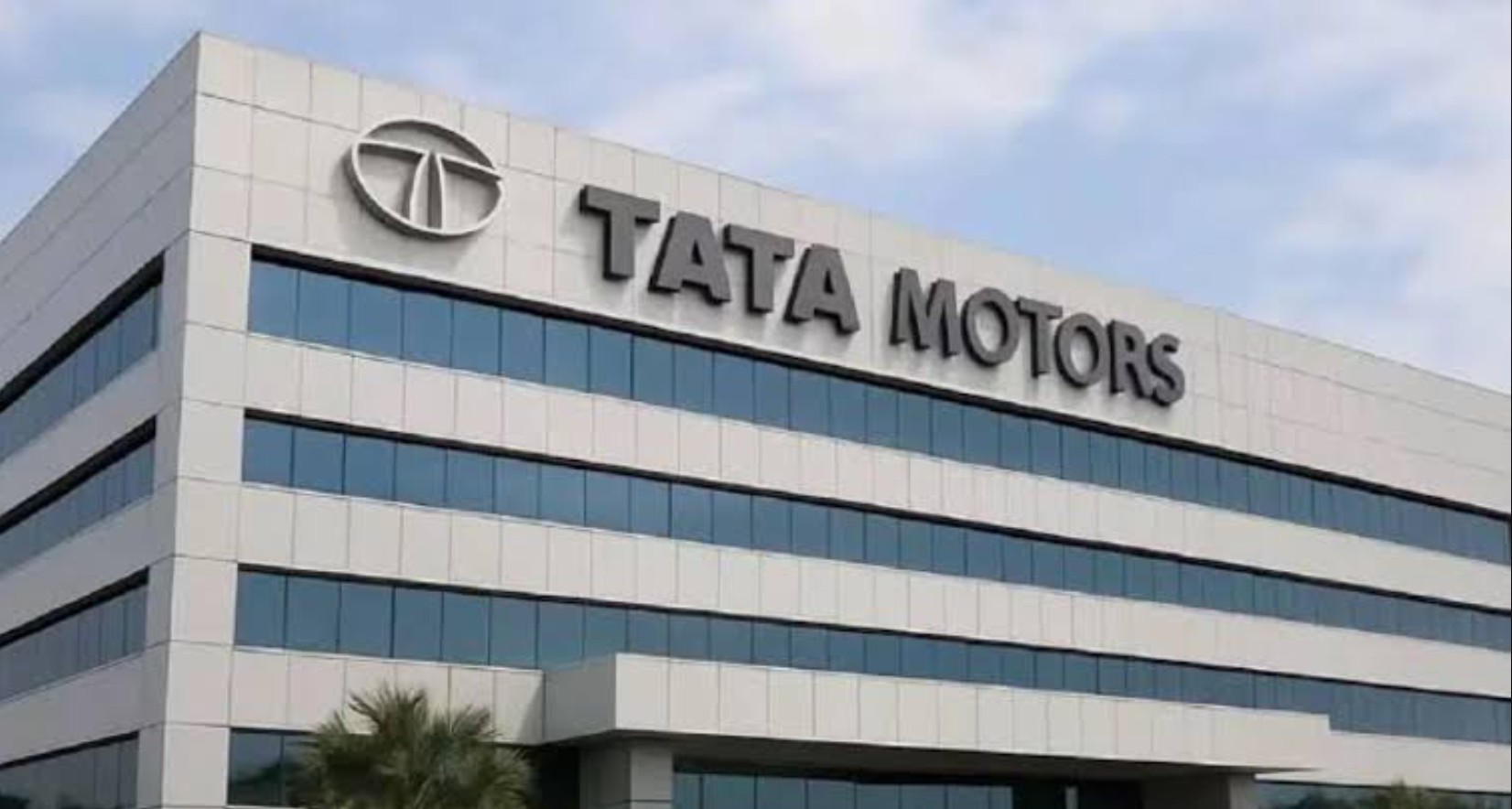

Tata Motors has outlined one of the most ambitious growth plans in India’s automotive sector, targeting a significant increase in passenger vehicle volumes and market share over the next five years. The company aims to nearly double annual passenger vehicle sales while strengthening its position across internal combustion engine (ICE), electric vehicle (EV), and CNG segments.
The roadmap reflects Tata Motors’ confidence in India’s long-term automotive growth story and its own ability to leverage product innovation, technology investments, manufacturing expansion and EV leadership to capture a larger share of the market.
The key question for investors and industry observers is whether the company can successfully execute its strategy and translate these ambitions into sustainable growth.
Tata Motors Sets Sights on 1.2 Million Annual Vehicle Sales
At the heart of Tata Motors’ strategy is a target to increase passenger vehicle volumes from approximately 640,000 units in FY26 to more than 1.2 million units by FY31.
Achieving this milestone would represent one of the largest volume expansions among Indian passenger vehicle manufacturers.
The company’s growth strategy is not dependent on a single product category. Instead, Tata Motors plans to drive demand through:
- New vehicle launches
- Model refreshes
- SUV expansion
- Electric vehicle growth
- Increased CNG offerings
- Wider customer reach across price segments
Management believes India’s passenger vehicle market still offers substantial room for growth as incomes rise, vehicle penetration improves and consumers increasingly prioritize technology-rich products.
20% Market Share Target Signals Aggressive Expansion
Beyond volume growth, Tata Motors is targeting a 20% passenger vehicle market share by FY31.
If achieved, the goal would significantly strengthen the company’s competitive position within India’s automotive landscape.
Several factors are expected to contribute to this objective:
Broader Product Portfolio
The company plans to expand its lineup substantially over the coming years, ensuring stronger participation across multiple vehicle categories.
Premium and Mass-Market Presence
Tata Motors is aiming to compete more aggressively in both mainstream and premium segments, broadening its customer base.
SUV-Focused Growth
SUVs continue to account for a growing share of passenger vehicle sales in India, and Tata already maintains a strong presence in this category.
EV Leadership Remains a Core Advantage
One of Tata Motors’ biggest strengths remains its dominant position in India’s electric vehicle market.
The company has established an early lead through products such as:
- Nexon EV
- Punch EV
- Tiago EV
- Tigor EV
- Curvv EV
According to company estimates, more than 300,000 Tata EVs are currently on Indian roads.
The automaker plans to further strengthen its EV ecosystem with future products including:
Sierra EV
The revival of the iconic Sierra nameplate is expected to play a key role in Tata’s premium EV ambitions.
Avinya
The Avinya project represents Tata’s next-generation EV vision, featuring a dedicated electric architecture and advanced technology integration.
Expanded EV Portfolio
The company intends to offer electric vehicles across a wide price range, helping address diverse customer needs and budgets.
Technology Investments Could Drive Competitive Advantage
Tata Motors is increasingly positioning itself as a technology-focused automaker rather than a traditional vehicle manufacturer.
Key technology initiatives include:
Larger Battery Packs
The company is working toward battery capacities exceeding 75 kWh, significantly improving driving range compared to current offerings.
Advanced Driver Assistance Systems
Future models are expected to feature:
- Level 2+ ADAS
- Autonomous parking assistance
- Enhanced collision avoidance systems
- Adaptive cruise control
Connected Vehicle Ecosystem
Tata is investing in software-defined vehicle platforms capable of supporting:
- Over-the-air updates
- Advanced connectivity services
- AI-driven vehicle functions
- Predictive maintenance features
Vehicle-to-Vehicle and Vehicle-to-Load Technologies
These features could become important differentiators as EV adoption increases.
Manufacturing and Distribution Expansion
Volume growth on the scale envisioned by Tata Motors requires substantial investments in production and distribution infrastructure.
To support its targets, the company is:
- Expanding manufacturing capacity
- Strengthening supplier partnerships
- Increasing production flexibility
- Enhancing quality control systems
- Digitizing manufacturing operations
The retail network is also expected to grow significantly.
Dealer and Service Expansion
Tata Motors plans to increase:
- Sales outlets
- Service centers
- Customer support touchpoints
This expansion will be critical for supporting a larger vehicle parc and improving customer satisfaction.
Key Challenges Ahead
While the growth roadmap is ambitious, several challenges remain.
Intensifying Competition
The Indian automotive market is becoming increasingly competitive, with domestic and international manufacturers investing heavily in new products.
EV Market Evolution
Although Tata currently leads the EV segment, rivals including Mahindra, Hyundai, MG, Maruti Suzuki, Toyota and global EV brands are rapidly expanding their electric offerings.
Execution Risk
Scaling production, launching new models and maintaining quality standards simultaneously requires flawless execution.
Changing Consumer Preferences
Technology adoption, connectivity expectations and ownership patterns continue to evolve, requiring constant innovation.
What Could Drive Success?
Several factors could work in Tata Motors’ favor:
- Strong brand recognition
- Leadership in India’s EV market
- Growing SUV portfolio
- Broad pricing coverage
- Established manufacturing ecosystem
- Increasing technology integration
- Expanding customer network
The combination of these strengths may help the company navigate an increasingly competitive landscape while pursuing higher growth.
Investor Perspective
For investors, Tata Motors’ passenger vehicle strategy highlights a long-term growth narrative built around market expansion rather than short-term cyclical gains.
Key metrics to watch over the next few years include:
- Passenger vehicle sales growth
- EV market share
- New product launches
- Profitability improvements
- Capacity utilization
- Customer satisfaction metrics
- Technology adoption rates
Consistent execution across these areas will likely determine whether the company can achieve its FY31 objectives.
Outlook
Tata Motors’ plan to surpass 1.2 million annual passenger vehicle sales and capture 20% market share by FY31 represents one of the most ambitious targets in the Indian automotive sector. Backed by EV leadership, an expanding product portfolio, advanced technology investments and manufacturing scale-up, the company has established a clear roadmap for growth.
While execution challenges and competitive pressures remain, Tata Motors appears well-positioned to benefit from India’s long-term automotive and electric mobility transformation. The next five years will be crucial in determining whether the automaker can convert its strategic vision into sustained market leadership and stronger financial performance.