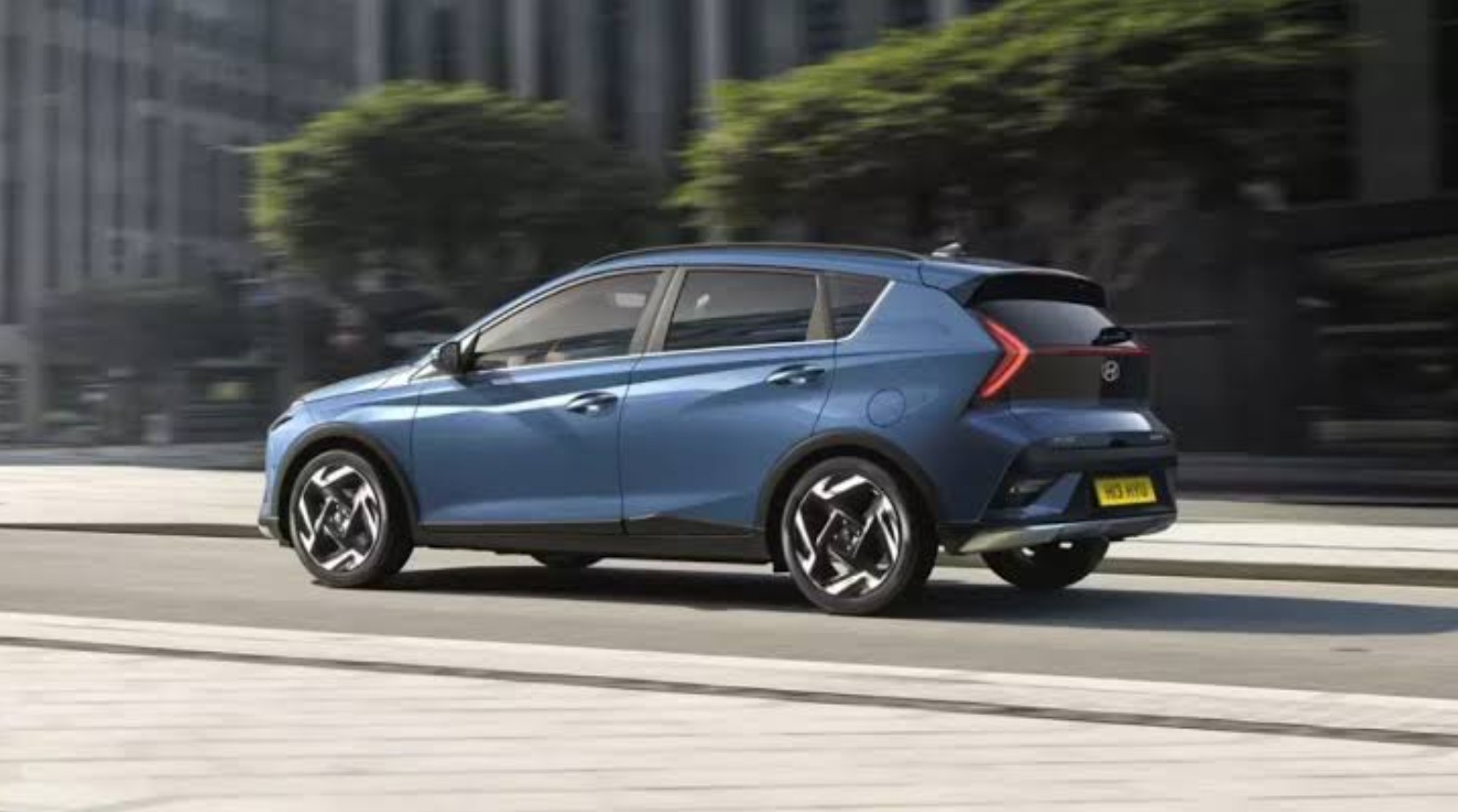

Hyundai is preparing to expand its SUV portfolio in India with a new Bayon-based midsize SUV, recently spotted undergoing road testing. Internally known as Bc4i, the upcoming model is expected to be positioned alongside the highly successful Hyundai Creta and could arrive in Indian showrooms during the second quarter of FY2027 (July–September 2026).
Fresh spy images provide an early look at the SUV’s exterior styling and suggest Hyundai is developing a feature-rich product aimed at one of India’s most competitive vehicle segments.
Hyundai’s SUV Strategy Continues to Expand
Initial reports suggested that the Bayon-derived model would be a sub-four-metre crossover targeting vehicles such as the Maruti Fronx. However, recent developments indicate Hyundai is taking a different approach.
The new SUV is now expected to be positioned as a midsize offering measuring approximately 4.18 metres in length, giving Hyundai a two-pronged strategy in the segment similar to Maruti Suzuki’s multi-SUV approach.
This positioning would allow Hyundai to cater to a broader range of customers while strengthening its presence in the fast-growing SUV market.
Spy Shots Reveal Venue-Inspired Front Design
The latest test mule showcases a front-end design that appears familiar to Hyundai enthusiasts.
Key Exterior Highlights
- Split-style LED headlamp setup
- Slim LED daytime running lights positioned above the main lamps
- Prominent grille with horizontal design elements
- Front parking sensors
- Radar sensor indicating ADAS capability
- Large lower air intake section
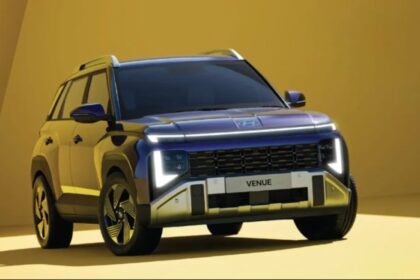
The split-headlamp arrangement closely resembles the design language seen on the current Hyundai Venue, while additional styling details hint at a more premium positioning.
Earlier overseas sightings also revealed protective black cladding around the lower bumper sections, enhancing the SUV’s rugged appeal.
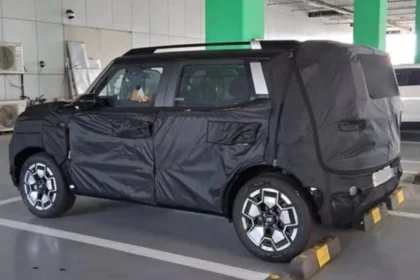
Side Profile Takes Inspiration From Global Bayon
Viewed from the side, the SUV carries design cues from the international Hyundai Bayon sold in regions including:
- Europe
- Middle East
- North Africa
Profile Highlights
- Distinctive window line similar to the global Bayon
- Roof rails finished in black
- Newly designed alloy wheels
- Four-wheel disc brake setup
The alloy wheel design appears unique and features a piston-inspired pattern. Although wheel size remains unconfirmed, the international Bayon currently uses 16-inch alloy wheels.
The presence of disc brakes at both axles suggests Hyundai may position higher variants as premium offerings.
Rear Design Features Split Lighting Signature
At the rear, Hyundai appears to continue the split-lighting theme seen at the front.
The spy images indicate:
- Upper lighting units integrated into the tailgate area
- Lower lighting elements functioning as brake lamps
- Rear parking camera
- Parking sensors
- Roof-mounted spoiler
Interestingly, the test vehicle does not appear to feature camera pods on the outside rear-view mirrors. This raises questions about whether a 360-degree camera system will be available, although Hyundai may still reserve the feature for top variants.
Interior Yet to Be Revealed
While the cabin of the standard model has not been photographed yet, an N-Line prototype previously spotted in South Korea offers clues about the interior direction.
Expected Cabin Features
- Modern digital instrument cluster
- Large infotainment touchscreen
- Premium upholstery options
- Adjustable headrests
- Connected car technology
- Wireless smartphone integration
The N-Line prototype featured an all-black interior theme with contrasting red accents. The standard version is expected to adopt a more conventional colour scheme while retaining much of the overall layout.
Expected Feature List
Hyundai has built a strong reputation for offering feature-loaded vehicles, and the Bayon-based SUV is expected to continue that trend.
Potential highlights may include:
Comfort & Convenience
- Automatic climate control
- Wireless charger
- Ventilated front seats
- Panoramic sunroof
- Powered driver’s seat
- Rear AC vents
Technology
- Fully digital instrument cluster
- Large touchscreen infotainment system
- Wireless Android Auto and Apple CarPlay
- Connected car features
- Premium audio system
Safety
- Six airbags
- Electronic Stability Control (ESC)
- Hill-start assist
- Tyre pressure monitoring system
- Rear parking camera
- Advanced Driver Assistance Systems (ADAS)
The visible radar sensor on the test vehicle strongly suggests Hyundai plans to offer Level 2 ADAS functionality.
Powertrain Details: Petrol and CNG Under Consideration
Sources indicate that Hyundai is likely to equip the Bayon-based SUV with a naturally aspirated petrol engine.
More importantly, the model could become Hyundai’s first vehicle above four metres in length to offer a factory-fitted dual-cylinder CNG option.
Expected Engine Options
- Naturally aspirated petrol engine
- Manual transmission
- Automatic transmission (expected)
- Dual-cylinder CNG variant
A CNG-equipped version could significantly boost the SUV’s appeal among cost-conscious buyers seeking lower running costs.
Market Positioning and Rivals
The upcoming Bayon-based SUV is expected to sit above the Venue in Hyundai’s lineup while complementing the Creta rather than replacing it.
For reference, the current Hyundai Venue is priced between ₹8 lakh and ₹15.65 lakh (ex-showroom).
Industry estimates suggest the new SUV could be positioned in the highly competitive ₹11 lakh to ₹18 lakh range.
Expected Rivals
- Hyundai Creta
- Maruti Grand Vitara
- Maruti Victoris
- Tata Sierra
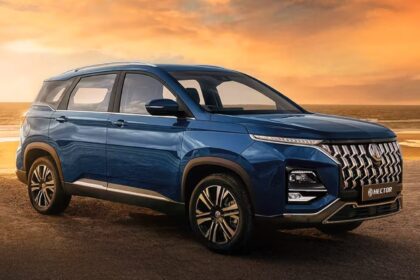
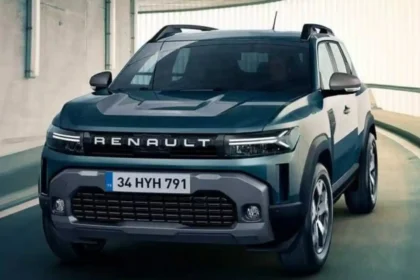
- Renault Duster
- Skoda Kushaq
- Volkswagen Taigun
- Toyota Urban Cruiser Hyryder
What This SUV Means for Hyundai India
The introduction of another midsize SUV highlights Hyundai’s commitment to strengthening its presence in India’s most lucrative vehicle segment.
With growing customer demand for feature-rich SUVs, multiple fuel options and advanced safety technology, the Bayon-based SUV could play a significant role in Hyundai’s future growth plans.
If Hyundai combines competitive pricing, modern technology and a practical CNG option, the new model could emerge as a strong contender in the increasingly crowded midsize SUV category.
AutIQ Analysis
The Bayon-based SUV represents a strategic expansion of Hyundai’s SUV lineup rather than a replacement for any existing product. Early signs point to a well-equipped vehicle with modern styling, ADAS technology and the potential for a segment-unique CNG offering. As testing continues, more details regarding features, powertrains and pricing are expected to emerge ahead of its anticipated 2026 debut.