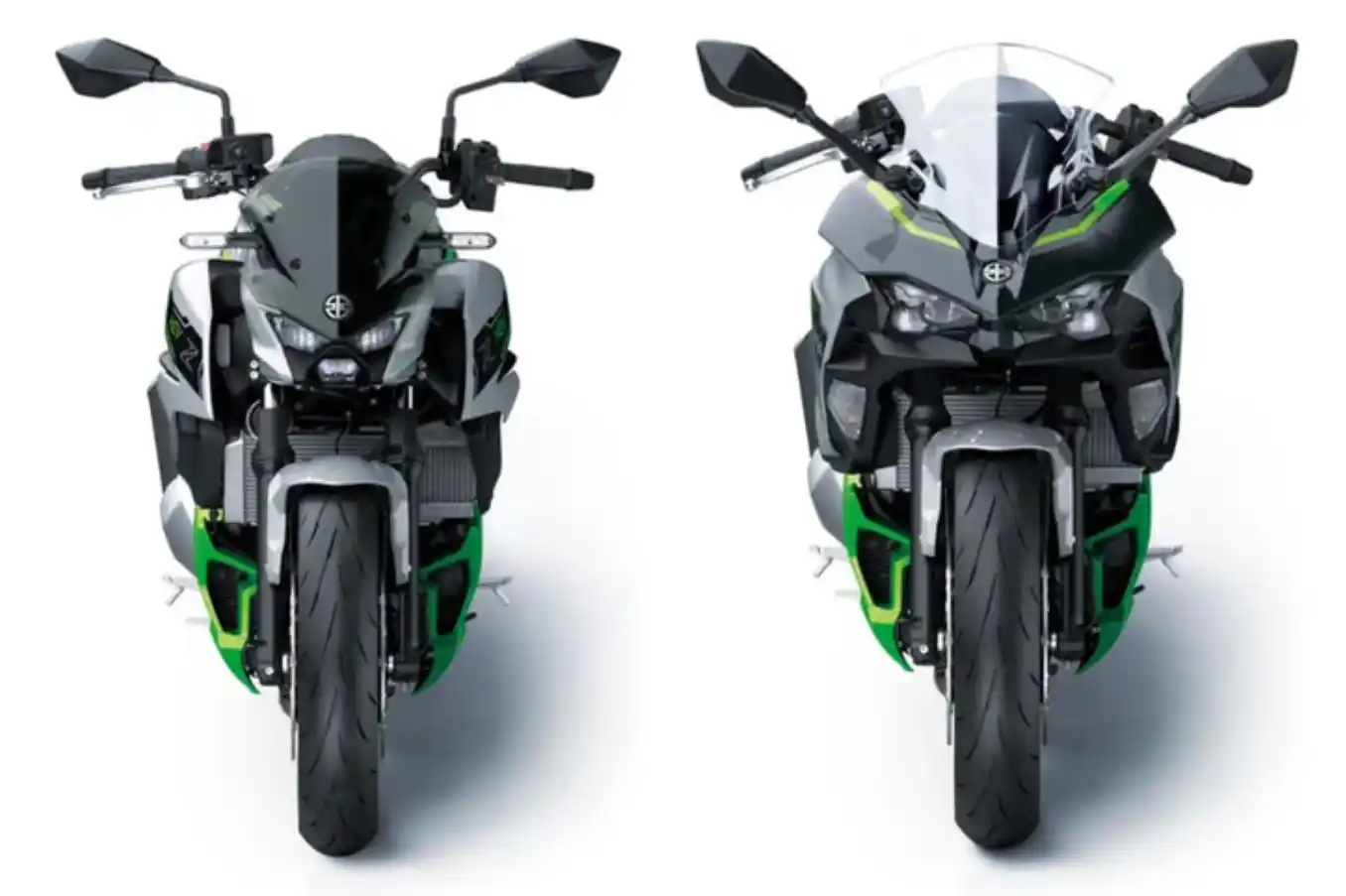

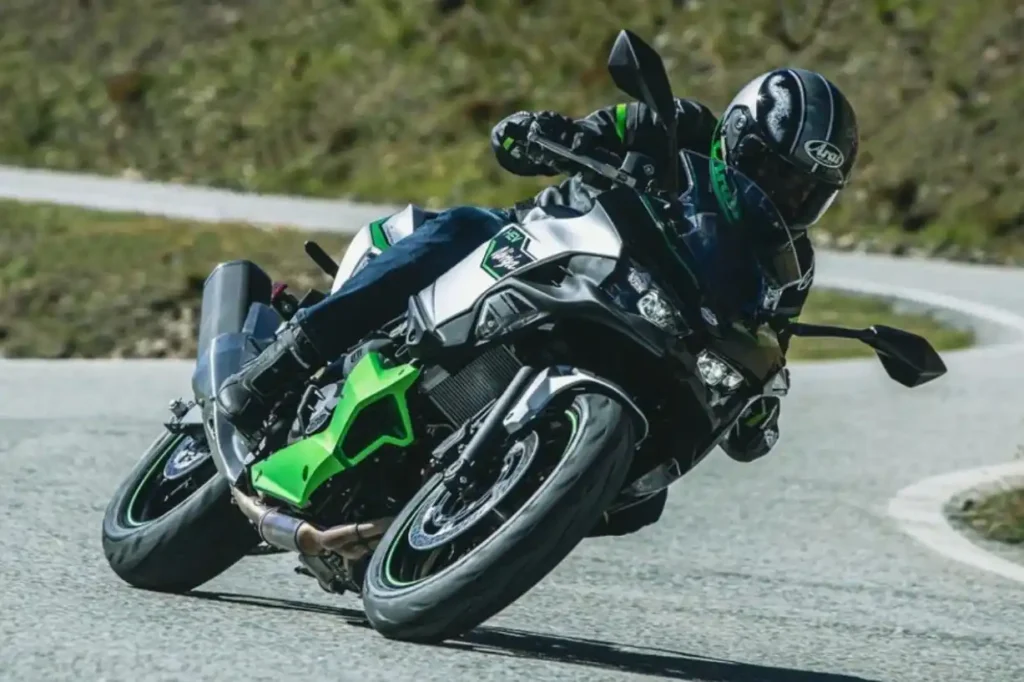
AutIQ News Desk: Kawasaki has introduced a series of software enhancements for its innovative Ninja 7 Hybrid and Z7 Hybrid motorcycles for the 2026 model year. While the updates may appear modest on paper, they directly address customer feedback and improve the overall riding experience.
As the only major motorcycle manufacturer currently offering strong hybrid motorcycles in the middleweight segment, Kawasaki continues to refine its unique hybrid technology to make it more user-friendly and practical.
What’s New for 2026?
The latest updates focus on improving the interaction between the rider and the hybrid powertrain.
Key Changes
- Sport mode now supports fully automatic gear shifting.
- Switching from EV mode to Hybrid mode is now possible at higher speeds.
- Improved convenience and usability during everyday riding.
These revisions are designed to make the hybrid motorcycles easier to operate in urban environments while retaining their performance-focused character.
Easier Transition Between Electric and Hybrid Modes
One of the most significant improvements concerns the transition between propulsion modes.
Previously, riders could only switch from Electric Mode to Hybrid Mode at speeds below 16mph (26kph).
For 2026, Kawasaki has increased that threshold to:
Updated Switching Speed
- Previous limit: 26kph
- New limit: 60kph
This change allows riders to engage hybrid operation more naturally while riding in city traffic without needing to slow down significantly.
Automatic Shifting Now Available in Sport Mode
The second major update involves the motorcycle’s transmission system.
Earlier versions required riders to manually shift gears whenever Sport mode was selected. While this enhanced rider involvement, some owners found it less convenient for daily use.
For 2026:
- Sport mode now supports automatic gear changes.
- Riders can still override the system manually.
- Paddle shifters remain available on the left switchgear.
This gives owners the flexibility to enjoy aggressive riding when desired while benefiting from the convenience of automatic operation during commuting and touring.
Hybrid Powertrain Remains Unchanged
Mechanically, both motorcycles continue with Kawasaki’s unique hybrid drivetrain.
Powertrain Specifications
- 451cc liquid-cooled parallel-twin engine
- Electric motor assistance
- Combined output: 69hp
- Combined torque: 60Nm
The petrol engine is shared with several Kawasaki models, including:
- Ninja 500
- Z500
- Eliminator
- KLE500
The hybrid system allows riders to choose between:
Three Riding Modes
- Fully Electric Mode
- Petrol Engine Mode
- Hybrid Mode (engine and electric motor working together)
This flexibility is one of the key selling points of Kawasaki’s hybrid motorcycles.
Weight Remains a Challenge
Due to the addition of the electric motor, battery pack and associated hardware, both motorcycles remain significantly heavier than conventional bikes in this displacement category.
Kerb Weight
| Model | Weight |
|---|---|
| Kawasaki Z7 Hybrid | 225kg |
| Kawasaki Ninja 7 Hybrid | 227kg |
The additional weight continues to be one of the biggest compromises of the hybrid platform.
India Launch Still Uncertain
Kawasaki has previously patented the Ninja 7 Hybrid design in India, sparking speculation about a possible launch.
However, there has been no official confirmation regarding availability in the Indian market.
Given the advanced hybrid technology and likely premium pricing, the Ninja 7 Hybrid and Z7 Hybrid would occupy a niche position if introduced here. Even globally, demand for hybrid motorcycles remains relatively limited compared to traditional petrol-powered alternatives.
Outlook
The 2026 updates may not transform the Ninja 7 Hybrid and Z7 Hybrid, but they address two important usability concerns that owners and reviewers have highlighted since launch. By improving automatic shifting functionality and allowing hybrid mode engagement at higher speeds, Kawasaki has made its pioneering hybrid motorcycles more practical without altering their distinctive character.
As motorcycle manufacturers explore alternative powertrain solutions, Kawasaki’s hybrid platform remains one of the industry’s most ambitious attempts to bridge the gap between traditional combustion engines and full electrification.
Source: AutIQ Research Desk