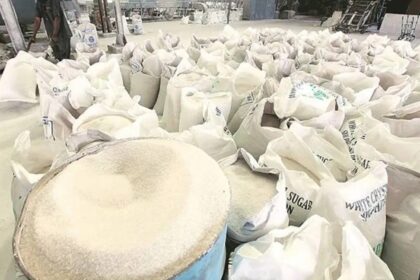


Wheat prices have increased by Rs 75 per quintal in Banda district of Uttar Pradesh, with market rates rising to around Rs 2,625 per quintal in key trading centres.
The increase has been reported in the mandis of Baberu, Naraini and Atarra, as well as other local markets in the district. Until recently, wheat was trading at around Rs 2,550 per quintal, but the latest rise has taken the market price to Rs 2,625 per quintal.
The price increase could provide some relief to farmers who still have wheat stocks left to sell. However, many growers had already sold a significant portion of their produce during the government’s procurement period.
The rise in wheat prices comes after government procurement operations ended, a period when market activity and private buying typically begin to adjust to changing supply and demand conditions.
Wheat price rises to Rs 2,625 per quintal
The latest market trend marks an increase of Rs 75 per quintal from the level recorded just days earlier.
According to local market information, wheat was previously selling at approximately Rs 2,550 per quintal. It has now reached around Rs 2,625 per quintal in Banda’s key trading centres.
Local market observers say wheat prices often begin to move higher in the months following the closure of government procurement.
Last year, wheat prices in the region reportedly rose as high as around Rs 2,810 per quintal during the later part of the market cycle.
The current increase is therefore being closely watched by farmers, traders and commission agents.
Government procurement period had influenced market sales
During the government procurement period, official purchase centres offered farmers an alternative channel for selling their wheat.
According to the information provided, the government procurement price was around Rs 2,585 per quintal, compared with a market price of approximately Rs 2,550 per quintal during the same period.
The difference of around Rs 35 per quintal encouraged many farmers to sell their produce through government procurement centres.
As a result, much of the available wheat stock held by smaller farmers was reportedly sold earlier in the season.
Private market buying also operates differently during the procurement period, as regulations and restrictions can affect how traders and commission agents purchase wheat.
Procurement ended after June 15
Government wheat procurement operations in the area reportedly ended after June 15.
With the official procurement period now over, farmers who still have wheat in storage may have the option of selling through local mandis and private buyers.
The increase to Rs 2,625 per quintal could benefit farmers who held back some of their produce and are now entering the market.
However, the price movement will also be important for traders and commission agents, who must factor the higher purchase cost into their commercial transactions.
A local wheat trader noted that prices often begin rising after government procurement operations come to an end.
According to the market view shared in the report, some farmers who retain wheat stocks after the procurement season can benefit when market prices improve later in the year.
Farmers with remaining stocks may benefit
The recent increase could be positive for farmers who did not sell their entire harvest during the government procurement period.
For those with wheat still available, the higher mandi price offers an opportunity to receive better returns than the rate available in local markets earlier in the season.
However, the benefit will depend on the quantity of wheat each farmer has retained and the market rate at the time of sale.
Most farmers reportedly sold a large part of their produce earlier, meaning the direct benefit of the latest price increase may be limited to growers and traders who still have stocks.
Market conditions can also change quickly depending on arrivals, demand, government policy and the availability of wheat in storage.
Wheat prices had climbed higher last year
The current market movement is also being compared with the previous year’s price trend.
According to local market information, wheat prices had reached approximately Rs 2,800 to Rs 2,810 per quintal during January and February last year.
This suggests that seasonal trends could continue to influence wheat prices in the coming months.
However, past price movements do not guarantee that the same levels will be reached again.
Future wheat prices will depend on several factors, including:
- Local mandi arrivals
- Available stocks
- Demand from millers and traders
- Government procurement and stock policies
- Transport and storage costs
- Weather conditions
- National and regional market trends
For now, the increase to Rs 2,625 per quintal has brought renewed attention to the Banda grain market.
Rainfall pushes vegetable prices higher
The rise in wheat prices comes at a time when consumers in Banda are also facing higher vegetable prices.
Intermittent rainfall over the past several days has reportedly affected the local vegetable supply.
Heavy and continuous rain can damage vegetables in fields and during transportation. The wet conditions have also created difficulties in moving produce to urban markets.
According to local market reports, several vegetables have become more expensive as supply has been affected.
Onion prices reach Rs 50-55 per kg
Onions were among the vegetables showing a sharp increase in retail prices.
According to the market information provided, onions were selling at approximately Rs 50 to Rs 55 per kg at the retail level.
The wholesale price reportedly crossed Rs 4,000 per quintal.
Tomato prices have also increased.
Tomatoes that were earlier available at around Rs 20 to Rs 25 per kg were reportedly being sold at approximately Rs 40 per kg.
Latest vegetable prices reported in Banda
The following retail rates were reported in local markets:
| Vegetable | Reported Retail Price |
|---|---|
| Onion | Rs 50-55 per kg |
| Tomato | Around Rs 40 per kg |
| Okra | Around Rs 60 per kg |
| Pointed gourd | Around Rs 80 per kg |
| Bottle gourd | Around Rs 40 per kg |
| Ridge gourd | Around Rs 60 per kg |
| Bitter gourd | Around Rs 60 per kg |
| Cucumber | Rs 55-60 per kg |
| Capsicum | Around Rs 80 per kg |
| Green chilli | Around Rs 100 per kg |
| Potato | Rs 20-25 per kg |
Among the vegetables mentioned in the latest market report, potatoes remained relatively affordable compared with other products.
Rain affects supply and market movement
Vegetable prices are particularly sensitive to weather because many fresh products have a limited shelf life.
Continuous rain can affect crops at several stages.
Produce can be damaged in fields, while excess moisture can increase the risk of spoilage. Transportation can also become difficult when roads and local market routes are affected by heavy rainfall.
In Banda, the latest increase in vegetable prices has been linked to rain-related supply problems and difficulties in bringing fresh produce to markets.
Tomatoes and other perishable vegetables are especially vulnerable to damage when rainfall remains persistent.
Local market trends remain under watch
The simultaneous increase in wheat and vegetable prices has brought attention to local food markets in Banda.
For farmers who still have wheat stocks, the rise to Rs 2,625 per quintal may offer an opportunity for improved returns.
For consumers, however, the increase in the price of onions, tomatoes and several other vegetables is likely to place additional pressure on household food budgets.
Local market trends in the coming weeks will depend on the continuation of rainfall, fresh arrivals of vegetables, transport conditions and the availability of stored wheat.
According to Banda mandi in-charge Sandeep Kumar, wheat prices typically rise around this period of the year, with the local market having recorded rates of approximately Rs 2,800 per quintal during the January-February period last year.
For now, wheat is trading at around Rs 2,625 per quintal, marking a Rs 75 increase from the earlier level of Rs 2,550.
At the same time, rainfall-related disruptions have pushed the prices of several vegetables higher, with consumers paying up to Rs 100 per kg for green chillies and around Rs 50 to Rs 55 per kg for onions.
The next phase of the market will depend on whether fresh supplies improve and how local wheat and vegetable demand develops in the weeks ahead.