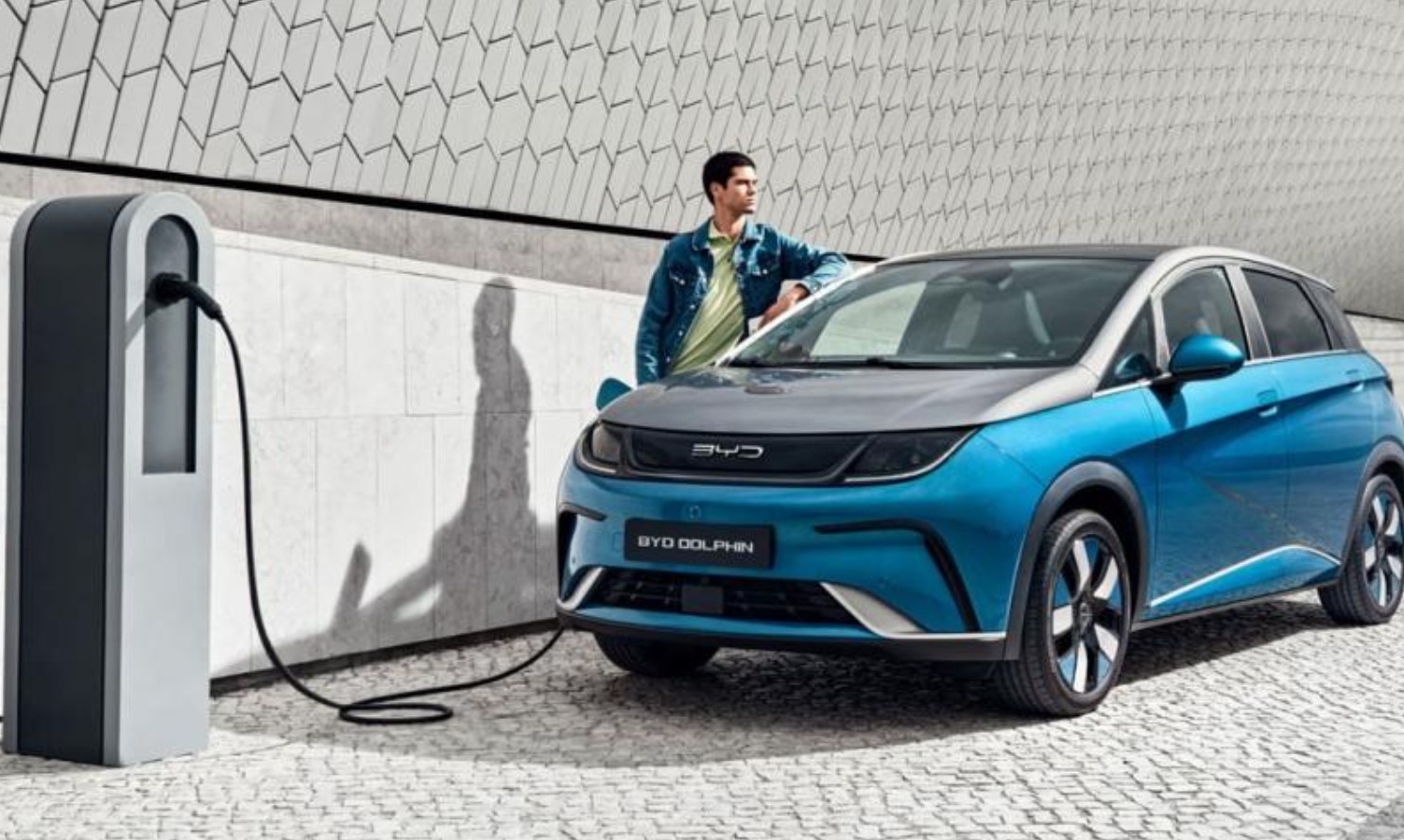

Chinese automaker BYD is preparing to introduce a new generation of ultra-fast EV charging infrastructure in the United Kingdom, featuring charging speeds of up to 1,500kW. If successfully deployed, the system could significantly reduce charging times while also increasing competition in the UK’s public EV charging market.
The announcement highlights a growing shift in the automotive industry, where manufacturers are no longer focused only on vehicles, but also on the ecosystem that supports them.
1,500kW Charging: A Massive Leap in EV Speed
The proposed 1,500kW charging capability represents a substantial jump compared to current public fast-charging systems.
For context:
- Most ultra-rapid chargers today operate far below this level
- Many EVs cannot currently accept such extreme power levels
- Real-world speeds will depend on battery technology and vehicle compatibility
Despite these limitations, the development signals BYD’s long-term ambition to drastically reduce EV charging times, potentially making them closer to traditional refueling stops.
Focus on Cost: Charging Could Become Cheaper
Beyond speed, BYD’s strategy also appears to target charging affordability, which remains one of the biggest concerns for EV owners.
Key expectations include:
- Competitive pricing around 50p per kWh (estimated)
- Reduced dependency on expensive premium charging networks
- Lower overall running costs for frequent public charging users
If implemented successfully, this pricing strategy could make EV ownership more financially attractive, especially for drivers without home charging access.
Infrastructure Becomes the New EV Battleground
The global EV industry is rapidly shifting beyond just vehicle design and performance. Today, competition includes:
- Charging networks
- Battery innovation
- Software ecosystems
- Customer ownership experience
Companies like Tesla have already demonstrated how charging infrastructure can become a key competitive advantage. BYD now appears to be adopting a similar strategy by integrating vehicles, batteries, and charging infrastructure into one ecosystem.
Impact on the UK EV Market
The UK remains one of Europe’s fastest-growing EV markets, but challenges still exist:
- Uneven charging infrastructure availability
- High public charging costs
- Concerns over charging reliability and speed
A new ultra-fast charging network could introduce stronger competition and potentially push existing operators to improve both pricing and performance standards.
For consumers, this could translate into:
- Faster charging times
- More predictable costs
- Greater confidence in long-distance EV travel
What This Means for EV Ownership
The importance of BYD’s plan goes beyond technical specifications.
If successful, it could significantly improve the day-to-day practicality of electric vehicles by addressing three major concerns:
- Charging speed
- Charging cost
- Infrastructure accessibility
Together, these improvements could make EVs feel more seamless and closer to conventional fuel-powered vehicles in terms of convenience.
Conclusion
BYD’s planned 1,500kW charging network represents a bold step toward reshaping the EV charging landscape in the UK. While real-world performance and rollout timelines will determine its true impact, the initiative clearly signals intensifying competition in EV infrastructure.
As the industry evolves, the focus is shifting from simply building electric cars to building an ecosystem that makes them easier, faster, and more affordable to use.