
The Indian automotive market is entering a renewed phase of interest in hybrid technology, with at least six major automakers preparing to introduce new hybrid and plug-in hybrid (PHEV) models over the next year. After being largely overshadowed by electric vehicles (EVs), hybrids are now re-emerging as a practical transition technology for both manufacturers and buyers.
Hybrid Segment Gains Fresh Momentum
For several years, the hybrid segment in India remained relatively limited, with Toyota and Maruti Suzuki dominating the space through their strong hybrid offerings. However, this landscape is now shifting as global automakers reassess their India strategies amid tightening fuel efficiency regulations and evolving consumer preferences.
Industry experts note that hybrids are increasingly being positioned as a “bridge technology” between traditional internal combustion engines and fully electric vehicles. This approach helps manufacturers meet Corporate Average Fuel Efficiency (CAFE) norms while addressing concerns related to EV charging infrastructure.
Kia, Hyundai and Korean Push into Hybrids
Kia India is emerging as one of the most aggressive players in this segment. The company plans for hybrid vehicles to contribute around 20% of its total sales in India by 2030. Based on projected growth, this could translate to nearly 80,000 units annually.
Kia is expected to roll out hybrid versions across its key models, including the Carnival, Carens, Seltos, and Sonet, with launches expected to begin from FY27. The company has also highlighted its focus on reducing hybrid system costs by nearly 15% through next-generation technology tailored for emerging markets.
Hyundai Motor India, meanwhile, is preparing its first hybrid offering for the Indian market by 2027. This will mark the brand’s entry into hybrids in India, despite its long-standing presence in the country since the mid-1990s. Hyundai currently offers petrol, diesel, and electric vehicles but has not yet entered the hybrid space domestically.
European Automakers Re-enter the Competition
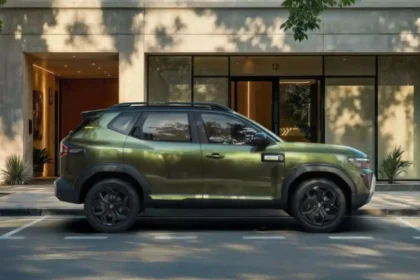
European manufacturers are also accelerating hybrid plans for India. Renault is expected to introduce a hybrid version of the upcoming Duster around the festive season of Diwali. The company is also planning to extend hybrid technology to the larger Bigster SUV in the future.
Nissan is likely to follow a similar path, with its upcoming mid-size SUV (codenamed Tekton) expected to share its platform with the Duster and also feature hybrid powertrain options.
These developments suggest a coordinated strategy across the Renault-Nissan alliance to regain competitiveness in India’s mid-size SUV segment.
Plug-in Hybrids Enter the Picture
The next phase of growth is expected to include plug-in hybrid electric vehicles (PHEVs), which combine a larger battery pack with a combustion engine and allow external charging for extended electric-only driving.
JSW Group’s upcoming passenger vehicle venture is expected to introduce a PHEV model in FY27. This move marks one of the group’s first entries into India’s evolving passenger vehicle landscape.
Chinese automaker BYD is also preparing to expand its hybrid portfolio in India with the Seal U plug-in hybrid SUV (globally known as Sealion 6), expected before the end of 2026. The model is expected to offer a combined driving range of up to 1,200 km under ideal conditions.
Luxury Segment Adoption
The luxury automotive segment is also witnessing early adoption of plug-in hybrid technology. Mercedes-Benz recently launched the S-Class plug-in hybrid variant in India, priced at approximately ₹2.2 crore. The model offers an electric-only range of up to 115 km, reflecting growing demand for high-end electrified mobility solutions.
EV Growth Outpacing Hybrids
Despite renewed interest in hybrids, their overall market share has shown slight decline. According to Federation of Automobile Dealers Associations (FADA) registration data, hybrid vehicles accounted for 8.22% of passenger vehicle registrations in FY26, compared to 8.73% in FY25.
The decline contrasts sharply with the growth of electric vehicles, which have seen strong adoption momentum. EVs accounted for 4.25% of passenger vehicle registrations in FY26, rising to 6.63% in May 2026 alone, supported by expanding infrastructure and wider model availability.
Government incentives, including a lower 5% GST on EVs compared to 18% on hybrids, have also contributed to the faster adoption of electric mobility.
Industry Outlook
Automotive analysts believe hybrids will continue to play a strategic role in India’s transition toward full electrification. They are particularly relevant in addressing the gap left by declining diesel models while helping manufacturers meet emission targets.
As one Mumbai-based automotive consultant noted, hybrid technology is being adopted primarily for regulatory compliance and market flexibility rather than as a long-term replacement for electric mobility.