
India’s automotive industry is entering a pivotal phase as a broad range of electric vehicles, plug-in hybrids, hybrid models and conventional SUVs prepare to launch over the coming months.
The upcoming product pipeline highlights a significant transformation in the market, with manufacturers increasingly investing in electrified mobility solutions across budget, mass-market and luxury segments.
From compact city EVs to premium plug-in hybrid sedans and family-oriented electric SUVs, buyers will soon have more choices than ever before.
Electrification Moves Into the Mainstream
The next phase of vehicle launches demonstrates how rapidly India’s automotive landscape is evolving.
Rather than being limited to niche products, electric vehicles and hybrid technologies are now being positioned as mainstream alternatives across multiple categories.
Major manufacturers preparing launches include:
- Tata Motors
- Mahindra
- Maruti Suzuki
- Hyundai
- Kia
- Toyota
- Honda
- MG Motor
- BYD
- Mercedes-Benz
- BMW
The growing number of electrified launches reflects rising consumer interest, tightening environmental regulations and continued focus on reducing running costs.
Affordable EVs Could Accelerate Adoption
One of the most important developments is the arrival of more affordable electric vehicles.
Expected launches include:
BYD Seagull
A compact city-focused EV aimed at urban buyers seeking affordable electric mobility.
Hyundai Inster EV
Hyundai’s global compact electric model is expected to strengthen the brand’s entry-level EV portfolio.
Maruti Suzuki Fronx EV
One of the most anticipated electric launches from India’s largest carmaker.
These models will play a crucial role in determining how quickly electric vehicle adoption expands beyond early adopters.
Family SUVs Become the Next EV Battleground
The ₹12 lakh to ₹25 lakh segment is emerging as one of the most competitive areas of India’s electrification journey.
Several manufacturers are targeting family buyers with practical electric and hybrid SUVs.
Expected launches include:
- Tata Sierra EV
- Honda Elevate EV
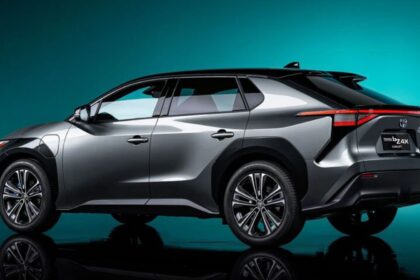
- Toyota Urban Cruiser EV
- Kia Syros EV
- MG Starlight Plug-in Hybrid
These products are designed to combine lower operating costs with everyday practicality, spacious cabins and modern technology.
Luxury Automakers Expand Electrified Portfolios
The premium segment is also witnessing an accelerated shift toward electrification.
Upcoming luxury launches are expected to include:
Mercedes-Benz S450e
A plug-in hybrid luxury sedan offering electric-only driving capability alongside a petrol engine.
Mercedes-Benz GLC EV
A fully electric luxury SUV aimed at premium buyers.
BMW iX3
Built on BMW’s latest-generation electric architecture.
MG IM6
A premium electric SUV focused on technology and performance.
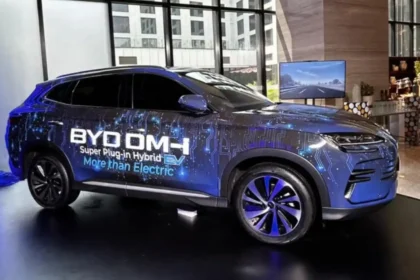
BYD Seal U Plug-in Hybrid
Combining extended driving range with electrified efficiency.
Luxury brands increasingly view EVs and plug-in hybrids as core products rather than niche alternatives.
Multiple Paths Toward Cleaner Mobility
One of the most interesting aspects of the upcoming launch cycle is the variety of technologies being pursued.
Full Electric Strategy
Manufacturers such as Tata Motors, Mahindra and BYD continue to invest heavily in dedicated EV platforms.
Plug-in Hybrid Approach
Mercedes-Benz and MG Motor are expanding their PHEV offerings to bridge the gap between conventional vehicles and fully electric models.
Hybrid-Focused Strategy
Toyota, Honda and Maruti Suzuki continue to emphasize hybrid technology as a practical solution for markets where charging infrastructure is still developing.
Conventional Powertrains
Some manufacturers continue to invest in efficient petrol and diesel models while gradually increasing electrification efforts.
Key Launches to Watch
Mid-2026
- Mercedes-Benz S450e
- Tata Sierra EV
- Toyota Urban Cruiser EV
Second Half of 2026
- Kia Syros EV
- Honda Elevate EV
- BMW iX3
- MG IM6
- BYD Seagull
- MG Starlight PHEV
Late 2026 to Early 2027
- Hyundai Inster EV
- Maruti Suzuki Fronx EV
- BYD Seal U PHEV
- Tata Avinya
These launches are expected to shape the next phase of India’s EV market development.
What This Means for Buyers
The growing number of electrified products gives consumers more flexibility than ever before.
Buyers can now choose between:
- Conventional petrol vehicles
- Strong hybrids
- Mild hybrids
- Plug-in hybrids
- Battery-electric vehicles
Each technology offers a different balance of:
- Purchase price
- Fuel savings
- Charging requirements
- Driving range
- Ownership costs
This wider choice is expected to support broader adoption of cleaner mobility solutions.
Final Verdict
India’s automotive industry is entering one of its most important transformation periods.
With new EVs, hybrids and plug-in hybrids arriving across nearly every major segment, manufacturers are clearly preparing for a future where electrification plays a central role.
While different brands continue to pursue different strategies, the direction is unmistakable: electric and hybrid technologies are moving from the margins to the mainstream.
The next nine months could prove to be one of the most significant periods in the evolution of India’s passenger vehicle market.