
India’s electric mobility journey achieved a major milestone in May 2026, with electric vehicle (EV) penetration crossing the 10% mark for the first time. According to the latest retail sales data, EVs accounted for 10.7% of all vehicles sold during the month, highlighting the growing acceptance of electric mobility across the country.
The achievement reflects strong consumer demand, expanding product choices and increasing awareness of the long-term benefits of electric transportation.
EV Sales Surge 45% Year-on-Year
India recorded 271,116 EV retail sales in May 2026, compared with 186,922 units in May 2025.
EV Market Growth
| Period | EV Sales | Market Share |
|---|---|---|
| May 2025 | 186,922 | 8.1% |
| April 2026 | 250,888 | 9.2% |
| May 2026 | 271,116 | 10.7% |
The data shows that EV adoption is growing significantly faster than the broader automobile market.
Overall Market Performance
- Total vehicle retail sales (May 2026): 2.53 million units
- Total vehicle retail sales (May 2025): 2.32 million units
- Overall market growth: 9.3%
- EV sales growth: 45%
This substantial difference highlights the increasing role of electric vehicles in shaping India’s automotive future.
Electric Two-Wheelers Continue to Lead Growth
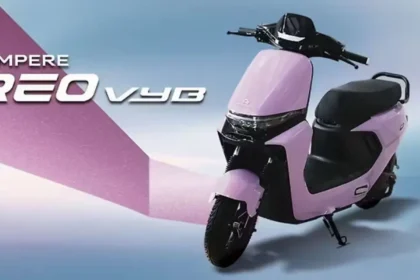
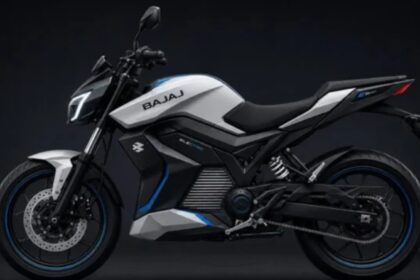
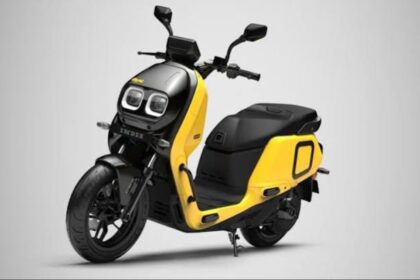
Electric two-wheelers remained the dominant force behind India’s EV expansion.
Electric Two-Wheeler Sales
| Year | Units Sold |
|---|---|
| May 2025 | 104,902 |
| May 2026 | 170,535 |
Market Share Within EV Segment
- May 2025: 56.1%
- May 2026: 62.9%
The segment continues to benefit from:
- Lower operating costs
- Affordable ownership
- Expanding model availability
- Improved battery technology
- Growing charging access
Electric scooters and motorcycles remain the most accessible entry point into electric mobility for many Indian consumers.
Electric Three-Wheelers Maintain Strong Presence
Electric three-wheelers remain a crucial part of India’s EV ecosystem, especially in commercial transportation and last-mile mobility.
Electric Three-Wheeler Sales
| Year | Units Sold |
|---|---|
| May 2025 | 66,186 |
| May 2026 | 71,860 |
Although their share of total EV sales declined slightly, actual sales volumes continued to grow.
EV Share
- May 2025: 35.4%
- May 2026: 26.5%
The reduced share primarily reflects the rapid growth of electric two-wheelers rather than weakness in the three-wheeler segment.
Passenger EV Segment Shows Strong Improvement
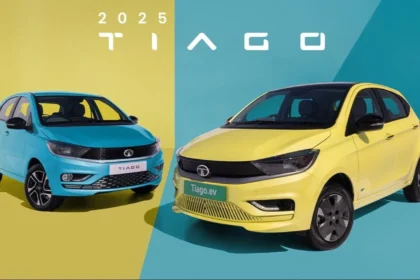
Electric passenger vehicles also recorded impressive growth during the month.
Passenger EV Sales
| Year | Units Sold |
|---|---|
| May 2025 | 14,699 |
| May 2026 | 26,291 |
Share of Total EV Market
- May 2025: 7.9%
- May 2026: 9.7%
The segment is benefiting from:
- Increasing consumer awareness
- More EV model launches
- Improved battery range
- Enhanced charging infrastructure
However, passenger EV adoption still trails the two-wheeler market in terms of overall penetration.
Petrol Vehicles Continue to Dominate
Despite rapid EV growth, internal combustion engine (ICE) vehicles continue to account for the majority of sales.
Fuel-wise Market Share (May 2026)
| Fuel Type | Market Share |
|---|---|
| Petrol | 74.3% |
| Diesel | 9.3% |
| EV | 10.7% |
| CNG | 5.1% |
| Others | Less than 1% |
Petrol vehicles remain the dominant choice, though their market share has gradually declined.
Petrol Share Comparison
- May 2025: 77.1%
- May 2026: 74.3%
This represents a decline of 2.8 percentage points over the past year.
Alternative Powertrains Gain Momentum
One of the most notable trends is the growing popularity of alternatives to traditional petrol vehicles.
Combined Share of EV and CNG Vehicles
| Year | Market Share |
|---|---|
| May 2025 | 12.5% |
| May 2026 | 15.8% |
The increase suggests that consumers are actively exploring lower-cost and lower-emission transportation options.
Why Electric Two-Wheelers Are Driving Adoption
The success of electric two-wheelers can largely be attributed to economic factors.
Key Drivers
Lower Running Costs
Electric scooters cost significantly less to operate than petrol-powered alternatives.
Urban Suitability
Most daily commutes fall well within the range capabilities of modern electric two-wheelers.
Improved Product Choices
Manufacturers now offer a wider range of products catering to different budgets and requirements.
Better Charging Access
Home charging remains a practical solution for many two-wheeler owners.
Challenges Facing Passenger EV Growth
While passenger EV adoption is improving, several barriers continue to limit widespread acceptance.
Key Challenges
Higher Purchase Prices
Many EVs still carry a higher upfront cost compared to equivalent petrol models.
Charging Infrastructure
Although improving, charging networks remain uneven across regions.
Limited Mass-Market Options
The number of affordable electric cars remains relatively small compared to conventional vehicles.
Consumer Awareness
Some buyers continue to have concerns regarding battery life, charging convenience and resale value.
What the 10% Milestone Means
Crossing the 10% threshold is symbolically important for India’s EV industry.
It demonstrates:
- Growing consumer confidence
- Improving EV ecosystem maturity
- Stronger manufacturer commitment
- Expanding infrastructure investment
- Increased policy support
While the journey toward large-scale electrification is still underway, the latest figures suggest that EV adoption is steadily moving from niche to mainstream.
Key Highlights
✅ EV penetration reaches record 10.7%
✅ 271,116 EVs sold in May 2026
✅ EV sales jump 45% year-on-year
✅ Electric two-wheelers account for 62.9% of EV sales
✅ Passenger EV sales nearly double
✅ Alternative powertrains reach 15.8% market share
✅ Petrol vehicle share continues to decline
AutIQ Verdict
May 2026 marks a landmark moment for India’s electric mobility sector. Surpassing the 10% EV penetration milestone demonstrates that electric vehicles are becoming an increasingly important part of the country’s transportation landscape.
The growth remains heavily driven by electric two-wheelers, which continue to offer the strongest value proposition for consumers. Passenger EVs are also gaining momentum, though affordability and infrastructure challenges still need to be addressed for mass-market adoption.
If current trends continue, India’s EV market could witness even faster expansion over the next few years, supported by technological improvements, broader model availability and continued investment in charging infrastructure.