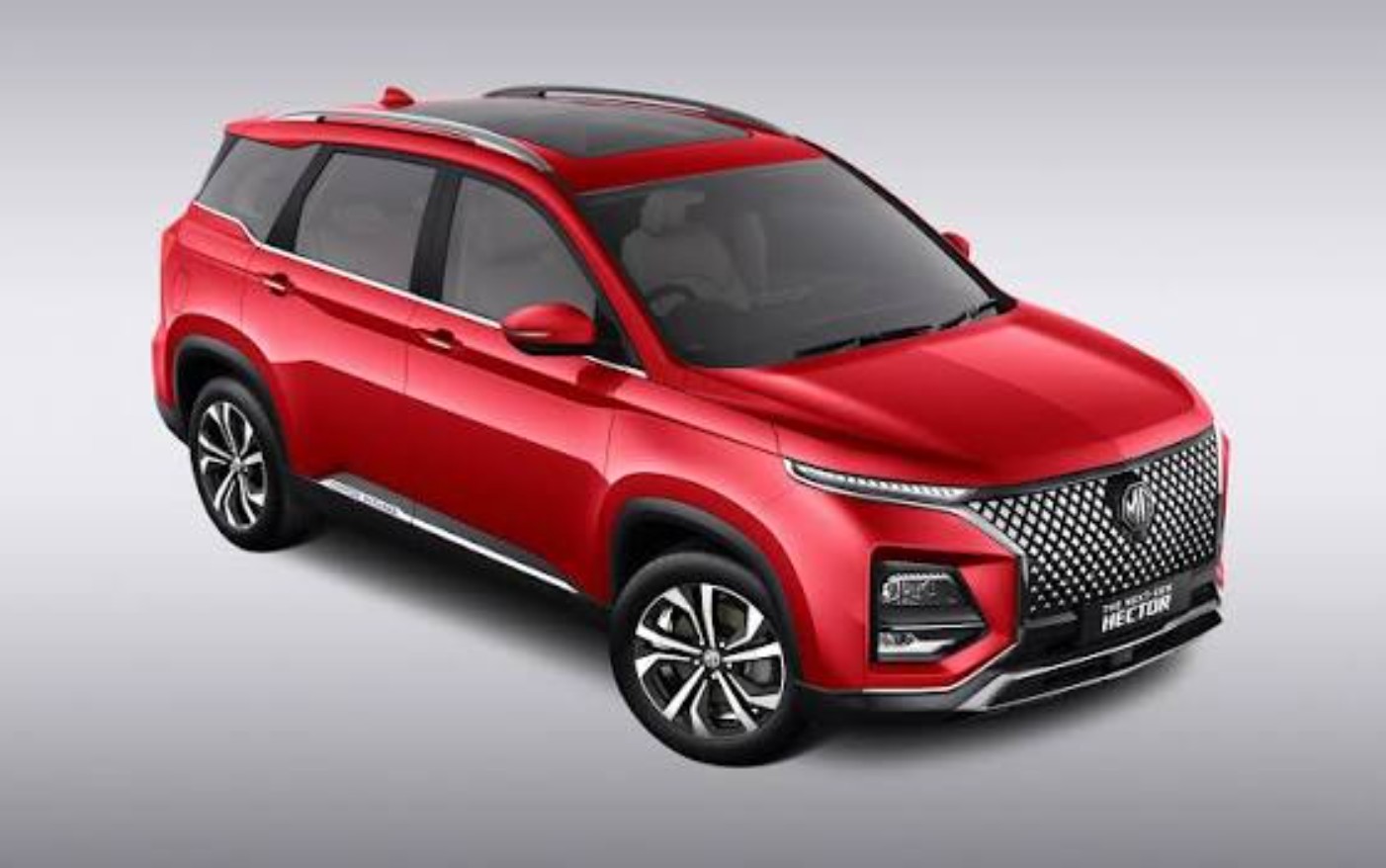

A Delhi consumer court has held MG Motor India responsible for selling a defective SUV and failing to provide proper warranty support, ordering the company to refund the full purchase price of ₹18,23,228 along with additional compensation.
The ruling was delivered after a complaint filed by a Delhi-based car owner who purchased an MG ZS Astor in October 2022.
What Led to the Dispute
According to the complaint, the vehicle developed multiple technical issues within months of purchase. These included:
- Malfunctioning Tyre Pressure Monitoring System (TPMS) sensors
- Fault in the Electronic Steering Column Lock (ESCL) system
Despite the vehicle being under warranty, the owner was reportedly charged around ₹3,000 for replacement of TPMS components, raising concerns over service practices.
Serious Breakdown Incident Reported
The case escalated after a major incident in June 2023, when the owner was travelling towards Uttarakhand’s Gangotri region. The vehicle displayed an ESCL warning.
On guidance from MG’s customer support, the driver attempted to reach a service centre in Dehradun. However, during the journey, the steering allegedly jammed, resulting in an accident.
The complainant further stated that technical assistance arrived nearly 10 hours later, and the root cause of the failure was never properly investigated.
MG Motor’s Defence
MG Motor India denied all allegations of manufacturing defects. The company argued that:
- It was not informed of any steering malfunction before the incident
- The vehicle owner allegedly did not allow a full inspection
- No manufacturing defect existed in the SUV
The dealer, Gitansh Motors, also stated that responsibility for manufacturing-related issues lay solely with the manufacturer.
Court’s Observations and Findings
The Consumer Disputes Redressal Commission, comprising President Divya Jyoti Jaipuriar and Member Ashwani Kumar Mehta, rejected MG Motor’s defence.
Key observations included:
- Internal emails from MG’s Dehradun workshop focused only on insurance processing, not technical investigation
- No evidence of a comprehensive mechanical diagnosis was presented
- TPMS and ESCL systems are critical electronic and mechanical safety components
The commission noted that such failures cannot reasonably be attributed to driver behaviour.
It concluded that the vehicle suffered from manufacturing defects and that MG Motor failed in its warranty obligations and roadside assistance commitments.
Court Order: Refund, Interest, and Compensation
The commission directed MG Motor to:
- Refund ₹18,23,228 to the complainant
- Pay 7% annual interest from the date of filing the complaint
- Pay ₹4 lakh as combined compensation and legal costs
- Complete payment within four weeks
If the company fails to comply, the amount will attract 9% annual interest until full payment is made.
What Happens to the Vehicle Now
The court noted that the SUV has remained at MG’s Dehradun facility since June 2023 and is likely beyond practical repair due to prolonged inactivity.
As a result:
- The vehicle will remain with MG Motor
- The company may dispose of it at its discretion
- The owner must assist with deregistration or transfer formalities
The dealer was not held liable, as the commission found no role in manufacturing defects.
Why This Case Matters
This ruling reinforces key consumer rights principles in India’s automotive sector:
- Manufacturers are accountable for critical safety system failures
- Warranty obligations must be honoured without additional charges for covered parts
- Electronic steering and sensor systems are treated as essential safety components under scrutiny
The case also highlights growing judicial attention toward automotive electronic failures in modern connected vehicles.