
Mitsubishi Motors is preparing a major expansion of its North American lineup with plans to introduce a new midsize pickup truck based on Nissan technology while also reviving the legendary Pajero SUV. The move is part of the company’s broader strategy to strengthen its position in key global markets and improve sales performance.
The upcoming pickup will place Mitsubishi directly into one of the most competitive segments in the United States, where established models such as the Toyota Tacoma, Chevrolet Colorado, GMC Canyon, Ford Ranger, and Nissan Frontier dominate sales.
Nissan Alliance to Play Key Role
The new Mitsubishi pickup is expected to leverage the Renault-Nissan-Mitsubishi Alliance, allowing the company to utilize Nissan’s existing midsize truck architecture.
Industry sources indicate that the vehicle could share significant components with the Nissan Frontier, helping Mitsubishi reduce development costs while accelerating its entry into the segment.
This strategy mirrors a growing trend among global automakers that use shared platforms to improve efficiency and bring products to market faster.
A Growing and Competitive Segment
The midsize pickup market in the United States continues to attract strong consumer demand.
Popular models currently competing in the segment include:
- Toyota Tacoma
- Ford Ranger
- Chevrolet Colorado
- GMC Canyon
- Nissan Frontier
- Jeep Gladiator
These vehicles appeal to buyers seeking a balance between daily usability, towing capability, off-road performance, and affordability.
By entering this category, Mitsubishi gains access to one of the most profitable and active areas of the American automotive market.
What to Expect from the New Mitsubishi Pickup
While official specifications have not yet been announced, industry observers expect the truck to offer:
Rugged Design
Mitsubishi is likely to develop unique exterior styling to distinguish the vehicle from its Nissan counterpart.
Off-Road Capability
Given the popularity of adventure-focused pickups, specialized off-road variants could become part of the lineup.
Modern Technology
Advanced infotainment systems, driver-assistance features, and connectivity technologies are expected to play a major role.
Multiple Powertrain Options
Potential offerings may include gasoline, hybrid, or electrified powertrains depending on market demand and regulatory requirements.
Pajero Set for a Return
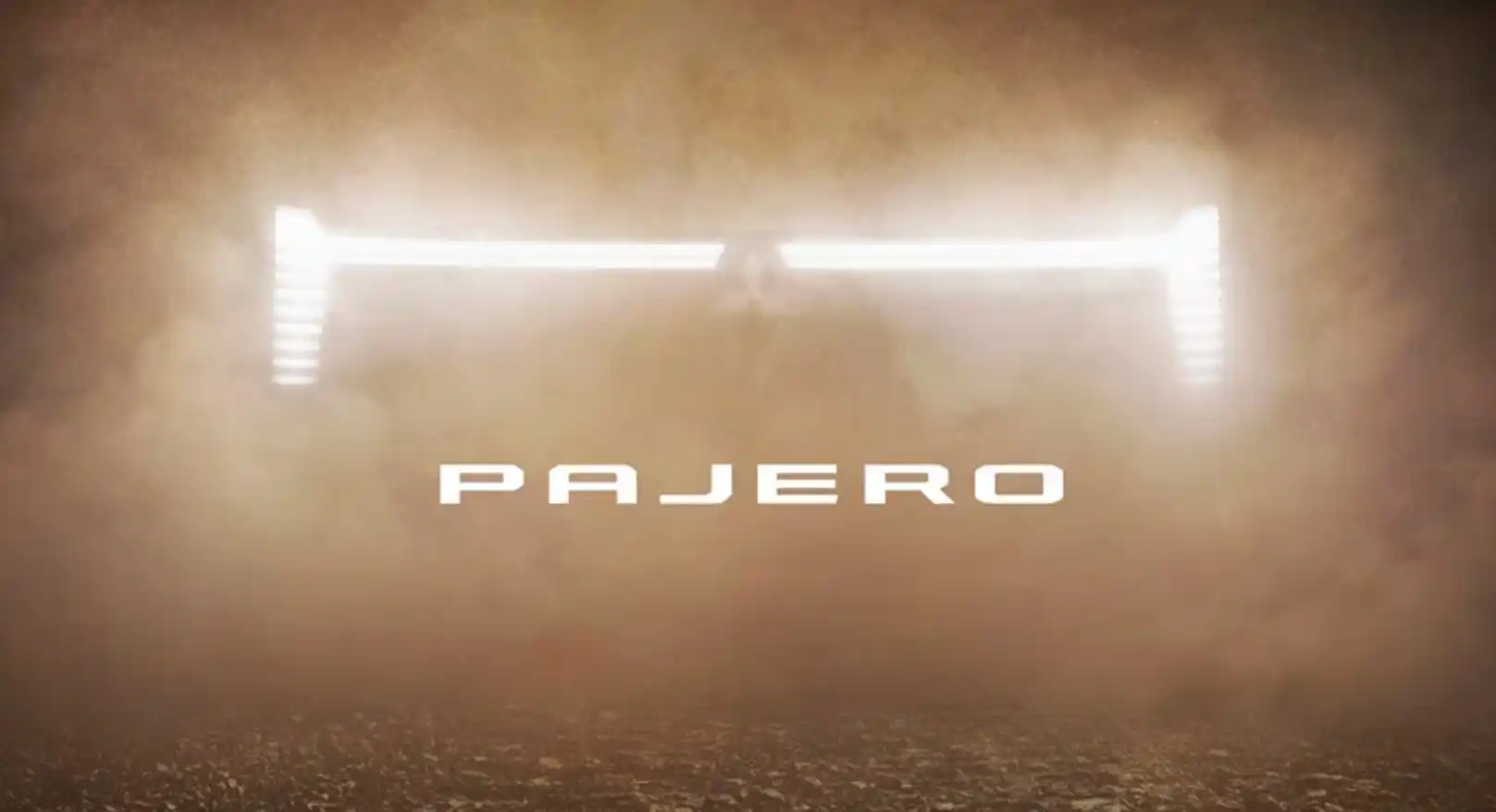
In addition to the pickup project, Mitsubishi is reportedly preparing the return of the Pajero, one of the brand’s most iconic SUVs.
The Pajero earned global recognition for its combination of:
- Strong off-road capability
- Long-distance comfort
- Reliability
- Success in international rally competitions
Its return could strengthen Mitsubishi’s SUV portfolio and appeal to buyers looking for a capable body-on-frame sport utility vehicle.
Why the Pajero Matters
The Pajero has long been considered a flagship model for Mitsubishi.
Over several decades, it built a reputation as one of the world’s most respected off-road vehicles and achieved numerous victories in the Dakar Rally.
A modernized Pajero could compete with vehicles such as:
- Toyota Land Cruiser Prado
- Ford Everest
- Toyota 4Runner
- Nissan Patrol (in select markets)
The revival would also help reinforce Mitsubishi’s heritage and strengthen brand recognition globally.
Mitsubishi’s U.S. Growth Strategy
The company has been working to expand its presence in North America through a combination of new product launches and strategic partnerships.
Adding a midsize pickup and a new-generation Pajero would significantly broaden Mitsubishi’s product portfolio and potentially attract customers from high-volume segments where the brand currently has limited representation.
The strategy aligns with growing demand for SUVs and pickup trucks across the United States.
Market Impact
The arrival of a Mitsubishi-branded midsize truck could increase competition in a segment already experiencing strong consumer interest.
By utilizing Nissan’s proven truck platform while introducing distinct Mitsubishi styling and features, the company may be able to establish a credible presence without the substantial costs associated with developing an entirely new vehicle from scratch.
Conclusion
Mitsubishi’s plans to launch a new Nissan-based midsize pickup and revive the Pajero SUV represent one of the company’s most significant product initiatives in recent years. The strategy could help strengthen its position in North America while leveraging the advantages of its alliance with Nissan.
As development progresses, the new pickup and Pajero are expected to play key roles in Mitsubishi’s efforts to regain momentum in major global markets and compete more effectively against established rivals.