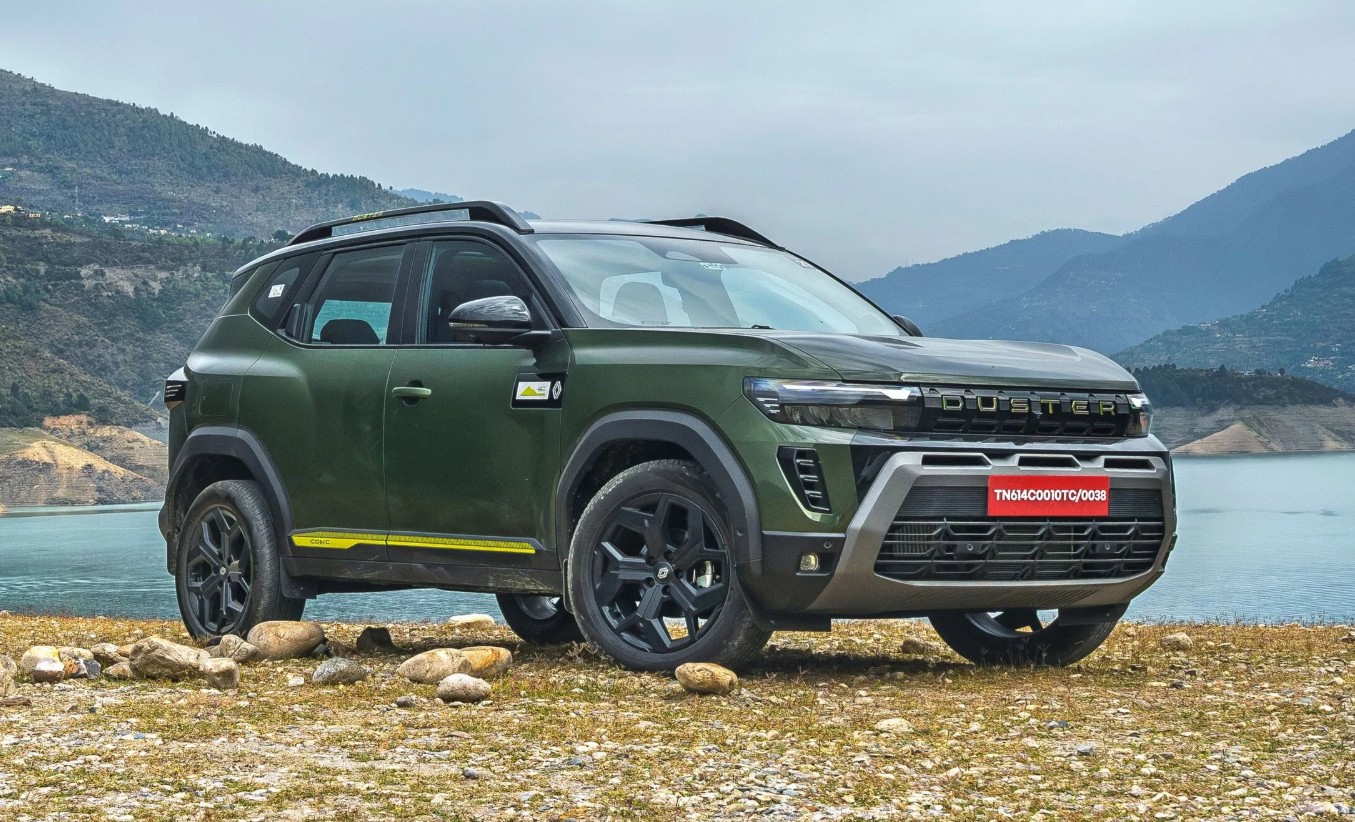

The Renault Duster is the SUV that once defined India’s midsize segment. Known for its rugged build, strong diesel engine and go-anywhere capability, it built a loyal fan base over the years. Now, after a long break, the Duster returns in an all-new avatar—with petrol-only powertrains and a modern feature list.
The big question: does it still carry the original DNA?
Design & Engineering: Bold, Rugged and Modern
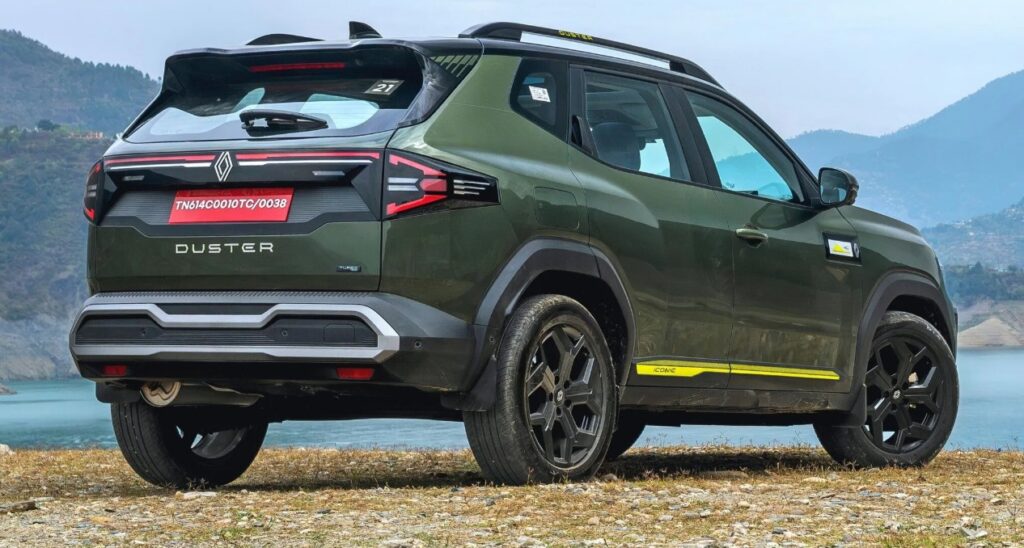
The new Duster gets its design spot on. It retains its muscular stance while adding contemporary elements like LED headlamps with signature DRLs, a bold grille with ‘Duster’ branding, and a sculpted bonnet.
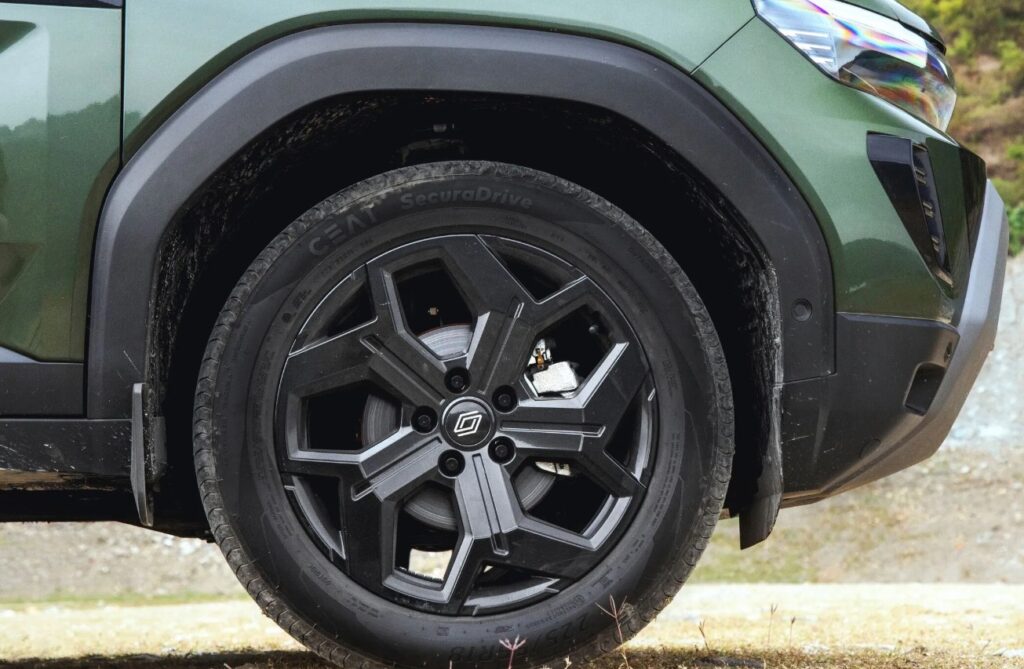
The SUV rides on 18-inch alloys, offers 212mm ground clearance, and features strong body cladding for that rugged appeal. Details like the LED light bar at the rear and sporty spoiler enhance its road presence.
Built on Renault’s Global Modular Platform (RGMP), the India-spec model is tailored for local conditions and future-ready for hybrid and EV powertrains. With 518 litres of boot space, it also stands out for practicality—though the absence of a standard spare tyre is a downside.
Interior & Comfort: Functional Yet Premium
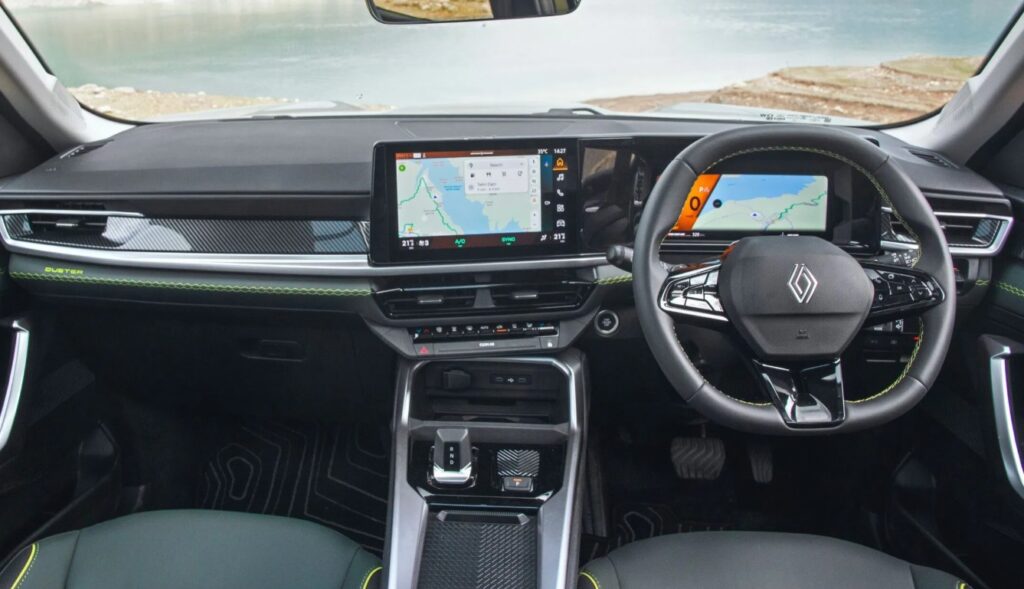
Step inside, and the cabin feels modern and well thought out. A dual-screen layout, soft-touch materials, and contrast stitching give it a premium edge without overdoing digital elements.
Front seats are comfortable, well-cushioned, and come with ventilation—ideal for long drives. The rear seat is best suited for two adults, as shoulder room is limited for three passengers.
Practicality is strong, with multiple storage areas, a large glovebox, and smartly designed controls. However, the higher window line slightly reduces the airy feel compared to the older model.
Features & Safety: Loaded but Not Perfect
The Duster comes equipped with a 10.1-inch touchscreen, wireless smartphone connectivity, panoramic sunroof, 360-degree camera, and dual-zone climate control.
A major highlight is the built-in Google integration, including Maps, Assistant and Play Store. While the system is responsive, the interface could be more intuitive.
Safety is well covered with six airbags, TPMS, disc brakes on all wheels, and Level 2 ADAS features. Renault is targeting a 5-star safety rating, which is promising.
Performance: Turbo Petrol Does the Heavy Lifting
The standout engine is the 1.3-litre turbo petrol producing 163hp and 280Nm—among the best in the segment.
The DCT automatic is the better choice, offering smooth shifts and refined performance, especially in city conditions. It delivers strong mid-range acceleration, with a 0–100 km/h time of around 10.4 seconds.
The manual variant is engaging but requires frequent gear shifts due to noticeable turbo lag at low speeds. There’s no diesel or AWD option this time, which may disappoint long-time fans.
Ride & Handling: Still a Benchmark
Ride quality remains one of the Duster’s biggest strengths. It handles rough roads, potholes, and highway stretches with ease, maintaining comfort and stability.
While there is some body roll during aggressive cornering, the steering is precise and offers decent feedback. Overall, it strikes a solid balance between comfort and driving fun.
Mileage & Efficiency
Official fuel efficiency figures are yet to be revealed. However, expect city mileage in the high single digits to low double digits, and highway figures in the mid-teens depending on driving conditions.
Price & Value
Priced between ₹10.29 lakh and ₹18.49 lakh (ex-showroom), the Duster sits competitively in the segment. It undercuts some rivals while offering strong performance and features.
The 7-year/1,50,000 km warranty adds long-term peace of mind, making it an attractive ownership proposition.
What Works
- Excellent ride comfort across terrains
- Powerful and refined 1.3L turbo petrol engine
- Strong road presence and rugged design
- Large boot space
- Long warranty coverage
What Doesn’t
- No diesel or AWD options
- Rear seat space could be better
- Infotainment system not very intuitive
- No spare tyre as standard
AutoIQ Verdict
The new Renault Duster doesn’t try to reinvent itself—it evolves. It keeps its core strengths intact while adding modern touches where needed.
Yes, it misses out on diesel and AWD, and the cabin space isn’t class-leading. But in terms of ride quality, performance, and overall character, it still feels like a true Duster.
And that’s exactly why it remains relevant in 2026.
IndyaStory | Auto Desk