
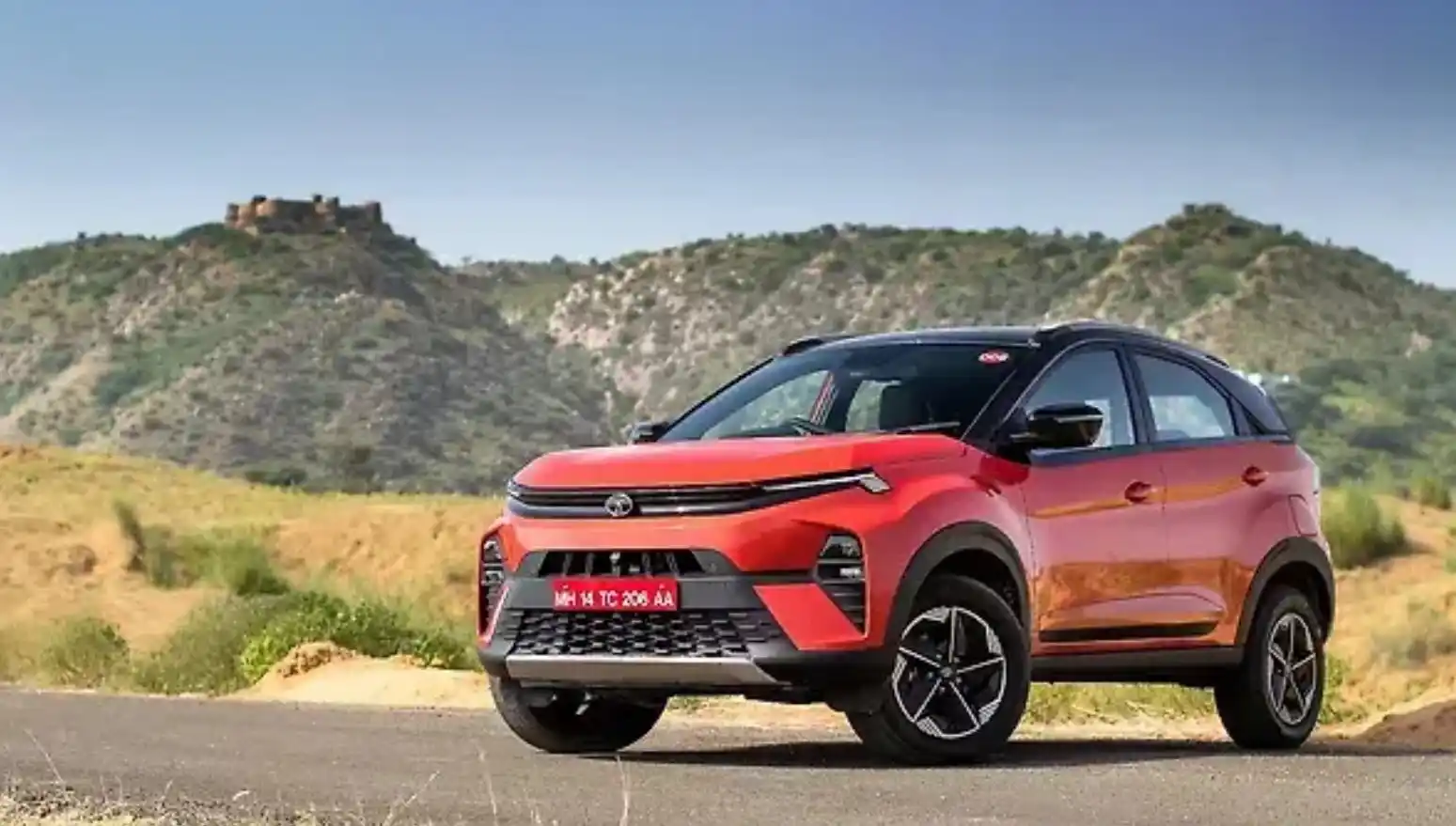

Tata Motors has announced a price revision across its passenger vehicle portfolio in India, with new prices set to take effect from July 1, 2026. The company confirmed that vehicle prices will increase by up to 1.5%, depending on the model and variant.
The revision will apply to Tata Motors’ entire passenger vehicle lineup, including both internal combustion engine (ICE) models and electric vehicles (EVs).
Why Is Tata Motors Increasing Prices?
According to the company, the price adjustment has been necessitated by rising input costs and continued inflationary pressures affecting the automotive industry.
In an official statement, Tata Motors said it has absorbed a significant portion of these increased costs over recent months. However, the company now needs to pass on part of the burden to customers while continuing to maintain product quality and value.
The automaker emphasized that the overall value proposition of its vehicles will remain intact despite the upcoming revision.
When Will the New Prices Come Into Effect?
The revised pricing structure will become effective from:
📅 July 1, 2026
Customers planning to purchase a Tata vehicle before the end of June may be able to avoid the upcoming increase.
Which Tata Models Will Be Affected?
The price hike will cover Tata Motors’ entire passenger vehicle range.
Popular Tata Models Included
Hatchbacks
- Tata Tiago
- Tata Altroz
SUVs
- Tata Punch
- Tata Nexon
- Tata Curvv
- Tata Harrier
- Tata Safari
Electric Vehicles
- Tiago EV
- Punch EV
- Nexon EV
- Curvv EV
- Harrier EV
The exact increase will vary across variants and powertrain options.
How Much Will Prices Increase?
Tata Motors has indicated that prices will rise by up to 1.5%, though the actual increase will depend on the specific vehicle and variant selected.
Example Impact
| Vehicle Price | Approximate 1.5% Increase |
|---|---|
| ₹8 lakh | ₹12,000 |
| ₹12 lakh | ₹18,000 |
| ₹20 lakh | ₹30,000 |
| ₹30 lakh | ₹45,000 |
Actual revisions may be lower for certain variants.
Industry-Wide Trend Continues
Tata Motors is not the only manufacturer adjusting prices. Several automotive companies have either announced or implemented price revisions in recent months due to:
- Rising raw material costs
- Higher logistics expenses
- Inflationary pressures
- Increased manufacturing costs
- Currency fluctuations impacting imported components
Industry analysts expect price adjustments to remain a recurring trend as manufacturers balance profitability with competitive pricing.
Should Buyers Purchase Before July 1?
For customers already planning to buy a Tata vehicle, completing the purchase before the revised pricing comes into effect could result in meaningful savings, particularly on higher-priced SUVs and EVs.
However, buyers should also consider:
- Variant availability
- Waiting periods
- Financing offers
- Exchange benefits
- Dealer-specific promotions
These factors can sometimes offset a portion of the price increase.
Tata Motors’ Growing Portfolio
The announcement comes as Tata Motors continues to strengthen its presence across both conventional and electric vehicle segments.
The company remains one of India’s leading passenger vehicle manufacturers and continues to expand its EV lineup with products such as the Punch EV, Curvv EV and Harrier EV, while also preparing for future launches including the highly anticipated Sierra EV.
AutIQ Verdict
The upcoming price revision reflects the broader cost pressures facing the automotive industry. While the increase of up to 1.5% may appear modest, it could translate into significant additional costs for buyers considering premium SUVs and electric vehicles.
Customers planning to purchase a Tata vehicle may benefit from completing their booking before June 30, 2026, ahead of the new pricing structure taking effect.