
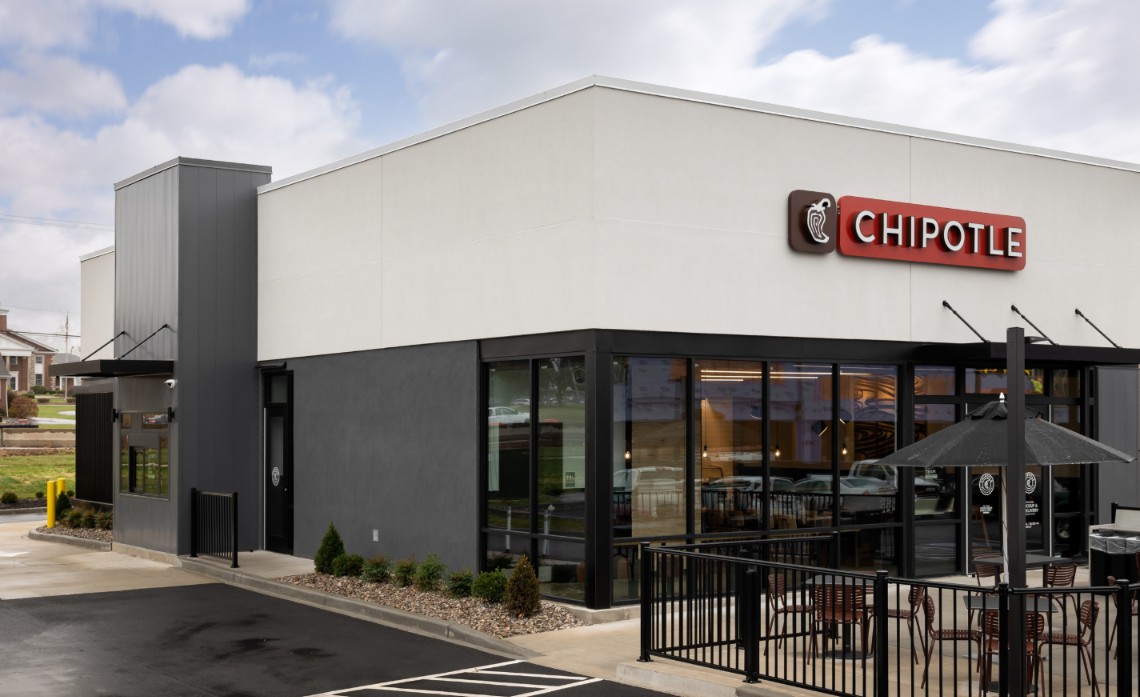

Comparable sales rose 2.1% in the third quarter, exceeding expectations. However, stronger restaurant traffic and revenue did not prevent a decline in earnings.
Chipotle Mexican Grill reported better-than-expected growth at established restaurants in the third quarter of 2026, as new menu offerings and loyalty promotions helped attract customers. Higher operating costs, however, kept the sales recovery from translating into stronger profit.
Comparable restaurant sales increased 2.1%, ahead of the 1.5% average analyst estimate cited in the supplied Bloomberg report. The performance extended Chipotle’s recovery, although management described October’s sales trends as uneven.
The company’s official results show that comparable transactions increased 0.8%, while the average check rose 1.3%. Total revenue climbed 9.6% to approximately $3.3 billion.
More visits helped, but spending also contributed
The distinction between transactions and average spending matters when assessing Chipotle’s recovery.
Comparable sales measure changes at established restaurants, helping separate their performance from growth generated by new locations. An increase can reflect more transactions, higher spending per transaction, or a combination of both.
Chipotle’s results showed contributions from both measures. That provides evidence of improving customer activity, while also showing that the 2.1% comparable-sales increase should not be described entirely as traffic growth.
Company-wide revenue expanded faster than comparable sales because it also benefited from restaurant openings.
Menu launches and loyalty offers support demand
Chief Financial Officer Adam Rymer attributed September’s stronger performance to products including pollo asado and chili lime chips, alongside marketing activity, according to the supplied report.
More frequent launches give customers a reason to reconsider a familiar restaurant. Loyalty offers can support repeat visits by reaching people who already know the brand.
The commercial question is whether those visits continue beyond the promotional period. Higher sales are more valuable when they generate sufficient profit after food, staffing and marketing expenses.
For Chipotle, the next menu test is mesquite-smoked brisket, which management expects to introduce on November 5. Rymer said October trading had been choppy but anticipated an improvement around the launch.
That is a management expectation, rather than a confirmed fourth-quarter outcome.
Why profit fell despite higher revenue
Chipotle reported net income of $339.9 million, compared with $382.1 million a year earlier. Diluted earnings per share declined to $0.27 from $0.29.
Its operating margin narrowed to 13.7% from 15.9%, while restaurant-level operating margin fell to 23.3% from 24.5%.
These figures show the central tension in the quarter: the company generated more revenue but retained a smaller proportion as operating profit.
Beef and freight inflation, together with higher protein usage, offset some benefits from pricing and tariff relief. Labour expenses also faced pressure from wages, additional staffing and insurance costs.
The result illustrates why a sales beat and a strong earnings performance are separate achievements. Attracting customers is one part of the business; serving them profitably is another.
Food-safety developments require careful context
The supplied report describes two separate issues: a parasite outbreak that management said did not directly involve Chipotle’s food, and a salmonella investigation involving jalapeños supplied to multiple restaurant businesses.
Those events should not be combined into a single company-specific outbreak.
In its October 2 update on the jalapeño investigation, the US Food and Drug Administration said the Centers for Disease Control and Prevention had declared the outbreak over. The FDA identified a common grower as the likely source and said its investigation had closed. People interviewed reported meals at several restaurant businesses, including Chipotle and QDOBA.
The closure provides important context for reporting the earlier disruption. It does not establish how much any individual food-safety event affected Chipotle’s quarterly sales.
Guidance stays unchanged
Chipotle maintained its forecast for full-year comparable restaurant sales growth in the low-single-digit range.
Rymer also anticipated approximately 3% inflation in the current quarter and elevated inflation next year, according to the supplied report. The company expects to finish the year with prices around 2% higher.
Those expectations leave management balancing affordability against rising expenses. Price increases can help recover costs, but their effect depends on whether customers continue visiting and purchasing.
Longer-term efficiency initiatives, including restaurant equipment improvements, could help operations. Their financial contribution will depend on implementation and the savings achieved.
What the results establish
Chipotle’s third quarter provides evidence that menu changes and promotions are supporting demand. Positive transaction growth strengthens that assessment.
The earnings decline adds a qualification: a recovery in visits does not automatically produce a recovery in margins.
The next results will help show whether new products sustain customer interest and whether operating improvements allow more of that spending to reach the bottom line.