
The investment executive remains optimistic about India’s long-term prospects, while highlighting stock selection, private investment and the disruptive potential of AI.
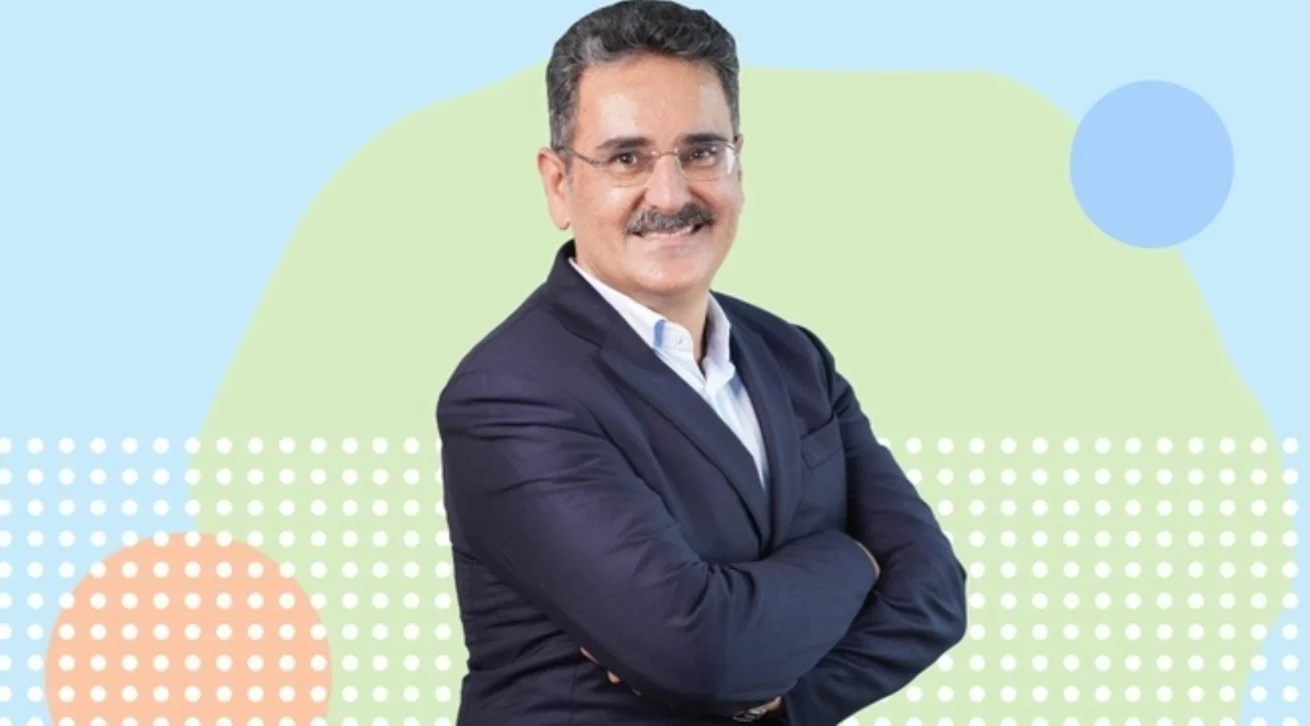
Dinshaw Irani, managing director and chief executive of Helios Capital Asset Management, believes India’s long-term investment opportunities remain compelling despite market volatility, with earnings growth taking priority over company size.
In an interview with businessline, Irani highlighted opportunities among selected mid- and small-cap businesses. His argument centres on the prospects of individual companies rather than a broad preference for every stock outside the large-cap universe.
He identified platform businesses, auto components, precision engineering and consumer discretionary as areas where companies can offer attractive growth opportunities.
India’s economic foundations support his outlook
Irani’s confidence rests partly on India’s demographics and expanding digital infrastructure.
He pointed to the combination of Jan Dhan bank accounts, Aadhaar and mobile connectivity—the JAM framework—as a foundation for wider economic participation. Access to banking, digital identity and affordable data, he argued, can help support consumption and business activity.
He believes India can sustain nominal economic growth of around 10% or more over the long term.
That is his assessment, rather than an official forecast. Nominal GDP includes changes in prices as well as economic output, making it different from inflation-adjusted, or real, GDP growth.
Private investment holds the key to employment
On employment, Irani emphasised the importance of capital spending by private businesses.
Government infrastructure projects can improve the conditions in which companies operate. Private investment can then generate additional activity through factories, suppliers, logistics providers and surrounding services.
He said corporate discussions about capacity expansion were encouraging, while linking stronger employment opportunities to an acceleration in private investment.
The distinction matters: an announced expansion expresses intent, while spending, commissioning and recruitment demonstrate its implementation.
Why smaller companies remain on his radar
Irani argued that investors increasingly look beyond established large companies when seeking growth.
In his assessment, foreign investors have expanded their research universe and are considering a wider range of mid- and small-cap businesses.
His comments should not be read as evidence that overseas investors are buying the entire segment. Establishing that pattern would require ownership and transaction data across companies and reporting periods.
For investors assessing the argument, growth also needs to be considered alongside valuation. A business can expand rapidly while its shares deliver disappointing returns if the purchase price assumes even stronger performance.
Smaller companies can also face sharper price movements and less trading liquidity, making company-level analysis important.
Helios starts by identifying what to avoid
Irani described the firm’s approach as “elimination investing”: narrowing the investment universe by rejecting companies that fail its screening criteria.
The interview identifies areas such as industry structure, management, governance, accounting and valuation among the considerations.
Helios’ published investment process separately confirms that it uses eight elimination factors, followed by further research into shortlisted businesses.
The practical lesson is that an appealing growth story must survive scrutiny of the underlying company. Revenue expansion alone does not answer questions about financial reporting, capital allocation or the price investors pay.
The framework describes an investment process; it does not guarantee that a selected stock will outperform.
Tax proposal seeks to attract foreign capital
Irani also proposed a temporary capital-gains tax moratorium for new foreign inflows as a way to improve India’s appeal to overseas investors.
This is a policy suggestion, not an announced government measure.
Any assessment of such a proposal would need to consider its eligibility rules, duration, fiscal implications and treatment of different investor groups. Its effectiveness would also depend on factors beyond taxation, including earnings prospects and currency movements.
AI optimism comes with an IT services warning
Irani sees a distinction between the opportunity created by AI adoption and the outlook for traditional IT services businesses.
He argued that AI investment can support economic activity and create efficiency gains. At the same time, he expects the technology to disrupt established large-cap IT services companies.
The two views can coexist. Rising spending on a technology does not ensure that every existing supplier benefits equally. Outcomes depend on how services, pricing and customer demand change.
Retail investing requires sustained attention
Irani’s message to individuals managing their own portfolios was that investing demands the commitment of a full-time responsibility.
His broader argument places research at the centre of decision-making: examine the business, test the growth assumptions and assess the valuation before committing capital.
India’s economic prospects may provide a supportive backdrop, but translating that backdrop into investment returns still depends on which companies investors own and what they pay for them.
Write By- Sona Barman